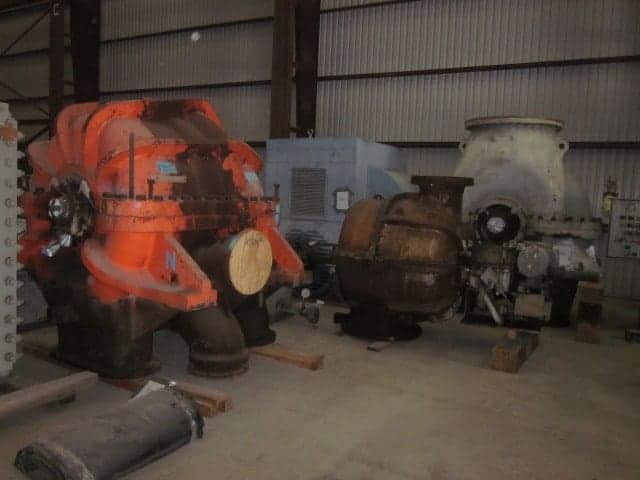
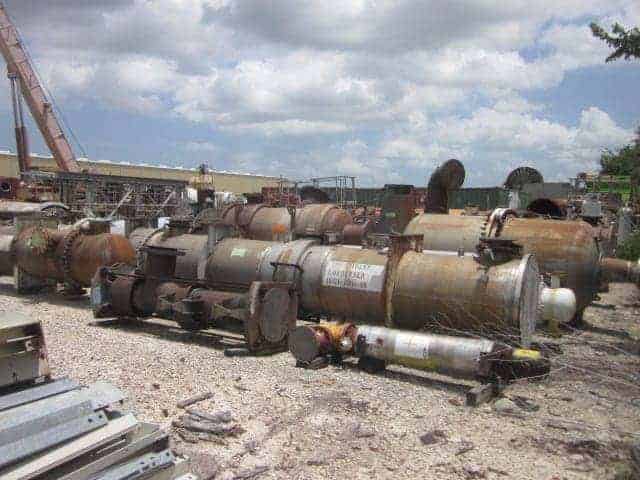
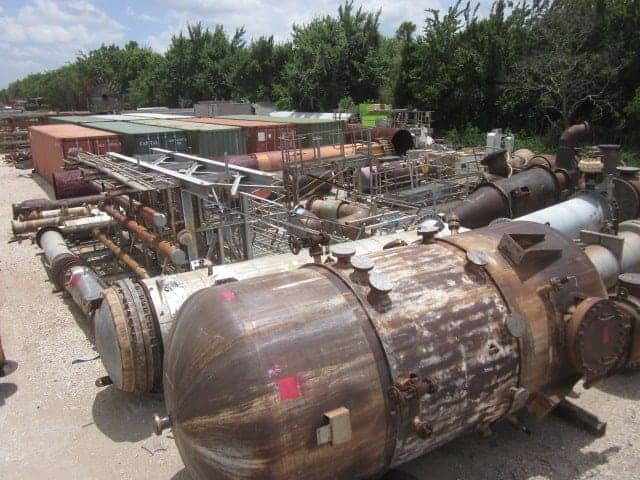
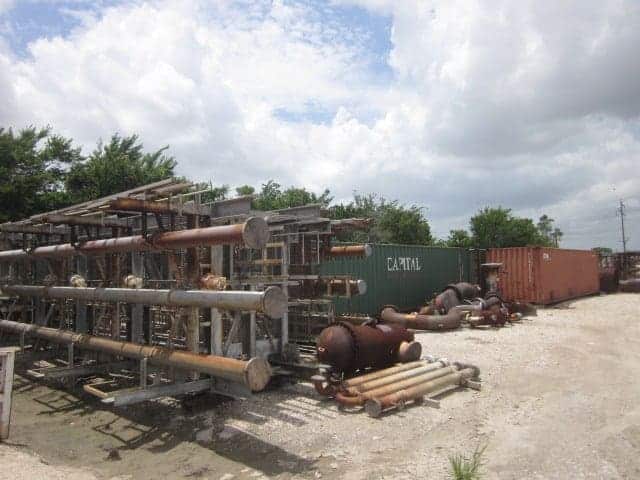
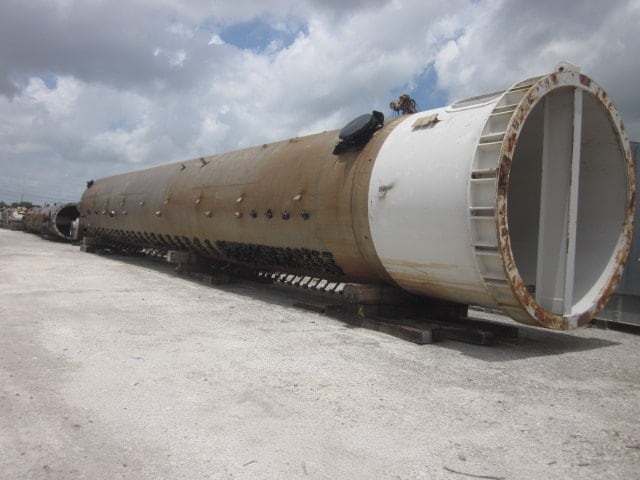
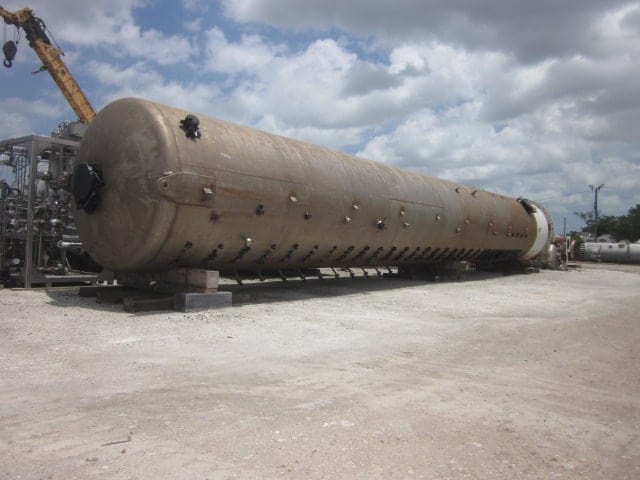
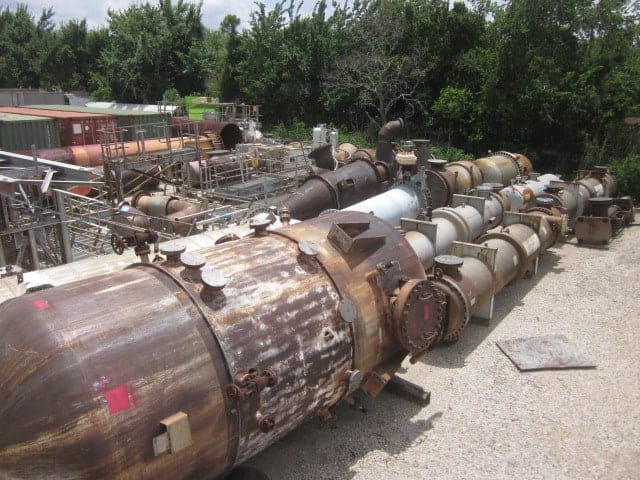
Are you looking to purchase chemical processing equipment for a manufacturing plant or another facility? Buying used machinery can provide substantial cost savings without sacrificing performance or quality.
While price is often a primary factor when evaluating used equipment, it’s not the only consideration. One important area is the equipment’s material, which can impact performance and your operating processes in many ways.
Louisiana Chemical Equipment Company is a leading buyer and seller of used chemical processing equipment, such as mixers, motors, centrifuges and compressors. We’ve prepared this comprehensive guide to equipment materials to help you make more informed purchasing decisions.
What Are the Core Factors for Chemical Processing Equipment Material Selection?
Things to consider when assessing equipment materials include:
Corrosion and chemical resistance:Different chemicals can react in various ways with the equipment’s material. Before you buy, it’s essential to determine whether the material is compatible with the intended processing application to minimize or eliminate the risk of degradation.
Cost and economic life cycle:Choosing equipment made from durable materials can generate higher initial costs for the buyer. However, it can result in lower long-term operating expenses due to reduced maintenance and repair needs.
Expected lifespan:Some materials last longer than others. A product that lasts 15 years or more can be more cost-effective than one that requires more frequent replacement.
Overview of Common Chemical Equipment Materials
The most common types of materials used to manufacture chemical processing equipment include:
Iron and carbon steel:This is the most cost-effective option for non-corrosive environments. Steel chemical equipment offers high mechanical strength and is easily fabricated. However, the machinery often requires the installation of protective linings to reduce the risk of corrosion.
Stainless steel and alloys:Stainless steel is a preferred choice for general chemical processing applications. It offers excellent rust resistance and hygienic properties, helping prevent contamination.
Titanium:This lightweight yet sturdy metal offers a high strength-to-weight ratio and reliable resistance to chloride and other chemical attacks. Potential drawbacks include its elevated cost and limited weldability.
Copper and nickel alloys:Copper offers superior thermal conductivity, making it ideal for heat exchangers. Nickel alloys can resist many non-oxidizing acids but are more expensive than many other metals.
Fluoropolymers and fiber-reinforced plastic:These plastic materials offer reliable chemical resistance at a low price point. However, they have strict temperature and pressure limitations compared to metals.
Glass-lined steel:Many industry professionals consider this to be the best material for chemical equipment. It combines the structural strength of steel with the chemical inertness of borosilicate glass, making it an excellent choice for pharmaceuticals and fine chemicals. However, glass-lined steel should be avoided in applications exposed to thermal or mechanical shock.
LCEC Is a Trustworthy Chemical Equipment Partner
Choosing the right material is a complex but critical decision. If you are looking for equipment that meets your specific chemical processing needs, the team at Louisiana Chemical Equipment Company has the expertise to help you make an informed purchasing decision.Contact us to discuss your project requirementstoday.
Louisiana Chemical Equipment Company, L.L.C. offers an extensive range of quality chemical process equipment and Complete Chemical Plants with competitive pricing.
Top Reasons Chemical Plants Shut Down and How to Prevent Them
Although sometimes a necessary precautionary measure, chemical plant shutdowns can be disruptive, expensive and often avoidable. Some of the top reasons chemical plants shut down are unplanned downtime, equipment failure and safety concerns that escalate quickly.
At Louisiana Chemical Equipment Company, we work closely with plant operators, maintenance teams and project engineers who are focused on keeping operations running safely and efficiently.
Common Causes of Unplanned Downtime in Chemical Plants
When an unplanned shutdown takes place, teams are often forced to make fast decisions under pressure. In many cases, these shutdowns can be traced to a few recurring issues, such as running equipment until it fails, which can result in costly repairs. Others include equipment past its service life, unclear maintenance procedures and sudden power loss that disrupts pumps and cooling systems, forcing an immediate shutdown.
These factors contribute to lost production and increased safety exposure. Understanding what causes shutdowns and how to prepare for them is key to keeping operations running safely and efficiently.
Why Plant Explosions Remain a Serious Shutdown Risk
Plant explosions are a major cause of shutdowns and can result from several factors:
Equipment failure under pressure or heat: Key components can fail if they’re put under too much stress.
Cooling system or pump failure: Outages can disrupt temperature and pressure control, creating hazardous conditions.
Inadequate safeguards and outdated designs: Insufficient safety systems or old layouts increase the risk of incidents.
Human error: Mistakes during maintenance or startups can trigger dangerous situations if proper procedures aren’t followed.
Understanding these risks helps teams prevent incidents and reduce unplanned downtime.
Steps Chemical Plants Can Take to Prevent Shutdowns
Chemical plants can reduce unplanned downtime and shutdown risk by taking proactive steps:
Routine inspections and life cycle planning. Identify issues before they become critical.
Replace failing components early. Prevent emergencies by addressing worn or aging equipment.
Keep backup equipment on hand. Ensure critical systems remain operational during failures.
Plan upgrades during scheduled outages. Avoid forced shutdowns by performing maintenance in advance.
Having ready access to replacement equipment, such as used tanks, vessels or reactors from LCEC, helps plants stay operational and minimize downtime.
Practical Maintenance Tips to Reduce Unplanned Downtime
Whether the issue is aging equipment, power loss or maintenance gaps, shutdowns put both production and people at risk and often result in unplanned downtime — one of the biggest disruptors in chemical plant operations. Some maintenance practices that help support reliable operations and long-term are:
Tracking repairs and inspections for better planning.
Reducing errors and safety risks by training teams on startup/shutdown procedures
Preventing minor issues from becoming major failures by addressing small repairs quickly.
Using ready-to-ship, inspected equipment keeps operations moving without long delays.
FAQs About Chemical Plant Shutdowns
Why do chemical plants shut down unexpectedly?
Most unexpected shutdowns are caused by equipment failure, power outages or maintenance issues that escalate into safety concerns.
Why is unplanned downtime so costly for chemical plants?
Unplanned downtime leads to lost production, rushed repairs and safety risks, which can extend shutdown timelines and raise costs.
How can plants reduce the risk of shutdowns?
Proactive maintenance, clear procedures and access to replacement equipment can significantly reduce shutdown risk.
Keep Your Plant Running Smoothly
Minimize unplanned downtime. Stay operational with ready-to-ship, inspected chemical processing equipment. Browse our inventory of used tanks, vessels, reactors and more, and contact us to get the equipment you need when you need it.
Louisiana Chemical Equipment Company, L.L.C. offers an extensive range of quality chemical process equipment and Complete Chemical Plants with competitive pricing.
Equipment Materials Guide for Industrial Plants: Exploring the Uses, Pros and Cons
The equipment used in industrial plants is at the heart of the operations. While it’s easy to focus on the complexity or fluidity of work in these systems, behind their reliable performance lies the material they are made from. Engineers carefully select each material based on its unique properties and how that fits into the final product’s applications.
Choosing the right material has many implications, from performance and lifespan to cost and safety. If you’re looking to buy processing equipment, it makes sense to learn about the materials used to build industrial plant equipment. This guide byLouisiana Chemical Equipment Companyoffers a look into each material’s advantages, trade-offs and applications.
Common Types of Materials for Industrial Equipment
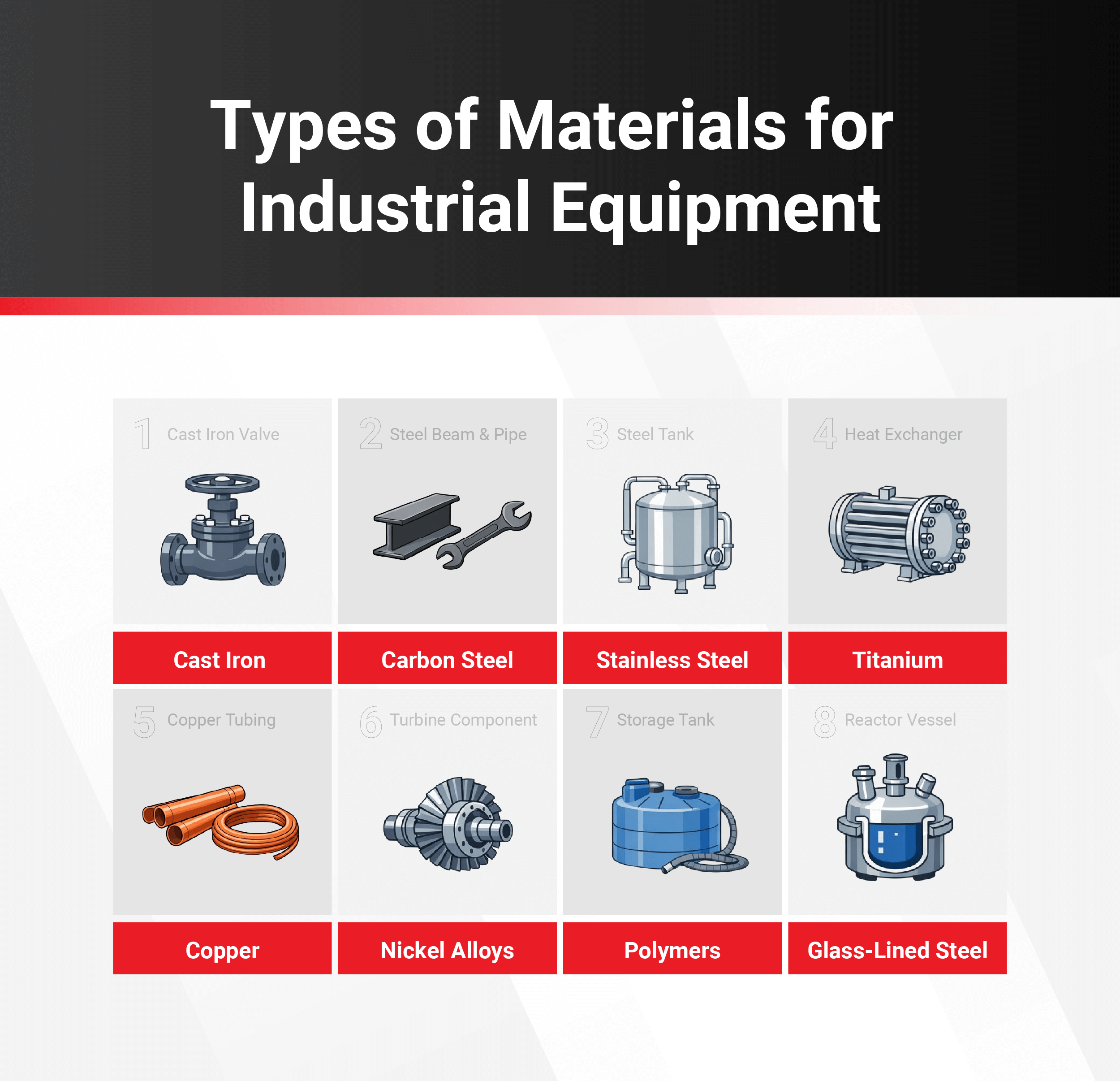
Here’s a breakdown of the commonly used materials, their distinct performance characteristics, strengths, limitations and applications:
Cast Iron
Iron is one of the oldest materials in manufacturing and also one of the most popular industrial plant materials due to its useful alloys. Cast iron, whichcontains 2% to 4% carbon, is an iron-carbon alloy with excellent qualities, such as ease of casting, strength against compression forces, vibration-damping and toughness. Its variation, known as ductile iron, is also widely used for its improved tensile strength.
Cast iron in general has many uses, such as in the manufacturing of valve bodies, pump housings, compressor casings, machine bases and piping systems. Iron gray, in particular, is a good choice for components that are not exposed to high tensile forces, such as machine bases and boiler parts.
Pros:
Excellent castability:Its low melting point makes casting easy as it allows for complex shapes, reduced costs and fewer manufacturing steps.
High compressive strength:It maintains strength under compression, making it ideal for structural support.
Vibration damping:It absorbs vibrations, reducing wear and tear on mechanical parts, muffling noise and improving safety conditions.
Durability:It exhibits excellent durability in noncorrosive environments, thanks to its high hardness and wear resistance.
Cons:
Brittle:It has poor tensile strength and will break under tension instead of deforming.
Prone to rusting:Since it’s composed mainly of iron, cast iron is prone to rust damage.
Heavy:Cast iron is heavy, which can make it challenging to work with.
Carbon Steel
Carbon steel is also an iron alloy with acarbon content less than 2%. It’s the most widely used material in industrial plant construction because of its unique characteristics, balancing strength, ductility and cost. Carbon steel comes in varying carbon content and heat treatment preparations, which equip each type with distinct mechanical properties.
The applications of carbon steel can vary by industry, but it’s commonly used in oil and gas, power generation and chemical processing environments. It’s widely used for storage tanks, pressure vessels, pipelines, heat exchangers, boilers and structural supports.
Pros:
Strength and hardness:The carbon content provides high strength and hardness, especially after heat treatment.
Cost efficiency:It’s generally affordable and cost-effective compared to specialty alloys.
Machinability:It’s easy to weld and fabricate with standard tools.
Versatility:It’s readily available in many grades that are heat-treated to bring out specific characteristics.
Recyclability:It’s highly recyclable, making it an environmentally friendly option.
Cons:
Corrosion:Since it’s mostly iron, carbon steel is prone to rust in moisture environments and will corrode in acidic settings unless it’s covered in protective coatings.
Brittleness:Like cast iron, carbon steel containing high carbon content can crack or snap under tension instead of bending.
Stainless Steel
Stainless steel is an iron and carbon alloy containingat least 10.5% chromium. It may also contain other alloying elements such as nickel and molybdenum to give it varying strengths, but it’s the specific ratio of chromium that makes it “stainless.” Chromium gives the steel a protective oxide layer that resists corrosion.
There are different grades of stainless steel with varying resistance levels to corrosion, temperature extremes and mechanical forces. You’ll find stainless steel across all industries. Its corrosion resistance makes it a common material for chemical processing equipment, pharmaceutical systems, reactors, heat exchangers and other applications.
Pros:
Corrosion resistance:Unlike other iron alloys, stainless steel has excellent resistance to natural rusting. It also resists chemical corrosion effectively.
Strength and durability:Depending on its thickness, it can withstand impacts and dents, and can last a lifetime if it’s not exposed to surroundings that cause degradation.
Hygienic properties:It has a nonporous surface that gives it the stainless attribute, meaning it can resist mold, dirt and bacteria, and is easy to clean.
Versatility:Stainless steel has many applications across various industries and is used in a wide range of products, from cookware and appliances to automotive parts and construction materials.
Recyclability:Like other iron alloys, it’s highly recyclable and environmentally friendly.
Cons:
High cost:It’s expensive up front compared to alternatives such as carbon steel or aluminum.
Fabrication:Cutting, forming and welding are challenging due to the toughness.
Weight:Stainless steel is dense and heavy, which can make it challenging to move and work with.
Titanium
Titanium is an exceptionally strong metal and theninth most abundant elementin the Earth’s crust. It has low density and is known for its excellent strength-to-weight ratio. The metal forms a protective titanium oxide layer on its surface, making it highly resistant to corrosive environments.
One of the main applications of titanium is in the aerospace industry because the metal is lightweight and resists high temperatures. It’s used in heat exchangers, condensers, reactors and piping systems exposed to harsh conditions. Chemical processing, desalination plants and power generation facilities are among the sectors that use titanium the most.
Pros:
High strength:It has high strength and durability that matches some grades of steel and holds up well over time.
Low weight:Due to its low density, titanium offers a high strength-to-weight ratio that makes it a lightweight strength option, usually in defense and aerospace industries.
Corrosion resistance:It can resist rust and corrosion from chemicals and salt water, making it reliable in industrial and marine settings.
Biocompatibility:It’s a nontoxic and hypoallergenic metal, making it useful for medical implants.
Cons:
High cost:It’s expensive to produce and work with, and requires specialized tools to fabricate.
Limited availability:It has limited availability compared to steel due to the energy-intensive extraction and processing required.
Copper
Copper is a metal with excellent electrical and thermal conductivity. It has long been used in industrial processes as the alloys brass and bronze, which have good corrosion resistance. Copper and its alloys are versatile, which makes them valuable in mechanical parts and products where their various strengths are desired.
For example, while the electrical conductivity makes copper useful in electronics, its malleability makes it reliable where ease of fabrication is necessary. Common applications include heat exchangers, electrical components, radiators and piping systems.
Pros:
Electrical conductivity:It’s the second most electrically conductive metal and serves as the standard for electrical applications.
Thermal conductivity:Due to the high thermal conductivity and melting point, it dissipates heat and doesn’t easily deform in high temperatures.
Corrosion resistance:It can resist corrosion in environments with high moisture and salt levels.
Workability:It’s malleable, making it easy to work with and fabricate into various shapes and sizes.
Cons:
High cost:The material cost is high, which increases the cost of large-scale processing.
Low strength:It has low mechanical strength and is not suitable for high-stress and high-pressure environments.
Corrosion sensitivity:Although it displays fair resistance to corrosion, it cannot withstand aggressive conditions involving harsh chemicals.
Nickel Alloys
Nickel is a metallic element with versatile properties that make it valuable in industrial settings. It has various alloys that have unique compositions and properties, which are engineered to highlight specific advantages, such as strength, corrosion resistance and high temperature resistance.
Nickel alloys are valuable in a wide range of sectors. High-strength and corrosion-resistant alloys, such as Inconel® 718 and Waspaloy®, find widespread use in the aerospace, gas turbine, electrochemical and nuclear sectors. Whether they are used for strength, heat resistance or temperature resistance, each nickel alloy offers unique properties to handle specific conditions.
Pros:
Corrosion resistance:The alloys have excellent resistance to various corrosive environments, whether it’s chemical processing or marine settings.
High temperature resistance:Some of the alloys perform well in high-temperature settings, making them a popular choice in gas turbines, heat exchangers and furnaces.
Strength and toughness:Due to their composition and heat treatment, some alloys offer superior strength, durability and creep resistance compared to many other metals.
Versatility:Nickel can be alloyed with a variety of metals, such as chromium, iron, molybdenum and more, to bring out different characteristics.
Electrical conductivity:They display excellent electrical conductivity, making them useful in electric wiring and heating elements.
Cons:
High cost:The material cost alone is high.
Machinability:They can be challenging to machine and weld, requiring specialized approaches.
Polymers
Polymers are synthetic materials designed to provide qualities such as chemical resistance, lightweight construction and cost efficiency. They are the most widely used materials in manufacturing after metals, and in some cases, they can replace metals. Where low weight, insulation and corrosion resistance are needed, polymers are ideal.
Common industrial polymers include polyethylene, polystyrene, polypropylene, Teflon and fiber-reinforced plastics. They are used widely across all industries to make products such as valves, linings, seals, piping systems, ducting and more.
Pros:
Corrosion resistance:They have excellent resistance to corrosion and can withstand harsh chemical environments without degrading.
Low weight:They have low density, which makes them suitable for lightweight applications.
Excellent insulation:Besides the smallconductive polymer category, most offer electrical and thermal insulation.
Workability:Polymers can be molded into various forms.
Cons:
Limited performance:They have low temperature and pressure limits compared to metals, and have reduced mechanical strength.
Environmental concern:They are made from fossil fuels and cause resource strain and plastic pollution.
Glass-Lined Steel
This material blends glass with steel by applying a glass coating on steel surfaces at high temperatures. The process combines the mechanical strength of carbon steel with the corrosion resistance of glass, creating a surface that’s completely unreactive to chemicals.
Applications for glass-lined steel vary with industry. However, the material is typically used for chemical and pharmaceutical storage and mixing equipment.
Pros:
Corrosion resistance:The glass lining is highly resistant to a wide range of corrosive elements.
Product purity:It is chemically inert and doesn’t react with other products, avoiding contamination.
Good thermal stability:It provides reliable stability in environments with temperature fluctuations.
Cons:
Brittleness:The glass-lined surface is vulnerable to mechanical impact.
Reduced performance:It has limited resistance to rapid temperature fluctuations and is incompatible with harsh chemicals that can damage glass.
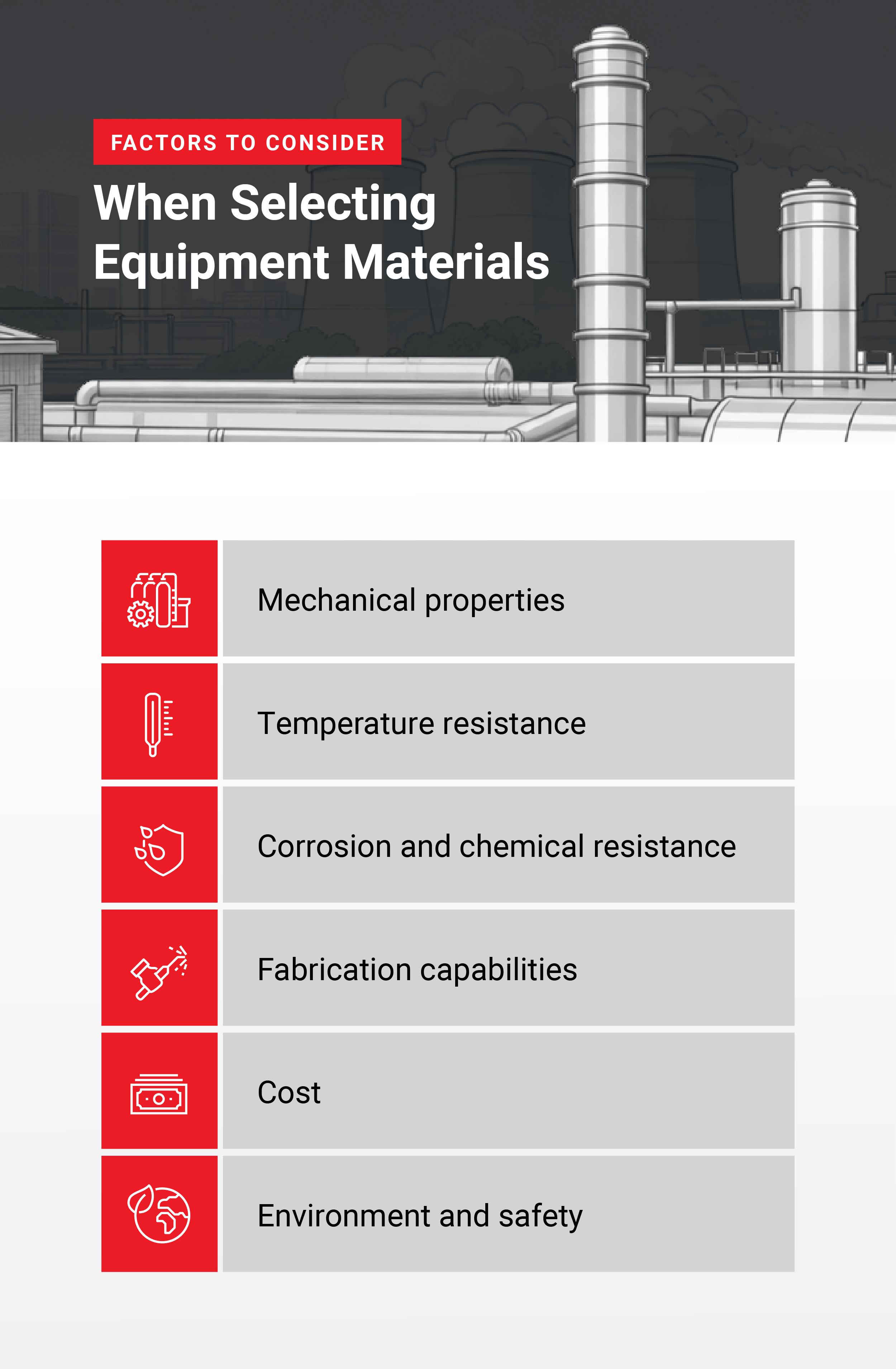
Factors to Consider When Selecting Equipment Materials
Matching material properties with operational demands is key to overall performance and durability. Here are the factors industrial plants should consider when selecting equipment materials:
Final Thoughts
Understanding how different materials impact overall equipment performance and reliability is key to selecting the right material. It’s also a decision that impacts safety, life cycle cost and regulatory compliance. Remember, no single material is superior overall because each comes with a unique balance of valuable features such as temperature tolerance, mechanical strength, workability and cost.
In the end, choosing the right material for plant equipment comes down to evaluating your processes, operating conditions, maintenance and the long-term cost of ownership.
Louisiana Chemical Equipment Company, L.L.C. offers an extensive range of quality chemical process equipment and Complete Chemical Plants with competitive pricing.
Are you dealing with an equipment breakdown? Interested in filling a gap in your manufacturing business’s current lineup? Anytime your company needs to buy equipment, consider investing in used models. Purchasing used can provide your operation with significant advantages.
Explore the key reasons to buy used manufacturing equipment, how it compares to purchasing brand-new models and tips for ensuring you get the right machines for your business’s unique applications below.
Buying New vs. Used Equipment
When your business needs to introduce equipment to its manufacturing process, you must decide between new and used models, weighing each option’s potential pros and cons.
Brand-new equipment has the latest technologies and features, but it can be very expensive to purchase and maintain. Used manufacturing machines come at a more cost-effective price point, meaning more units can be purchased for less overall. At smaller scales, even a single unit may be enough to get the job done.
Used equipment provides an excellent entry point for small and larger companies expanding their reach. It also retains value longer than new equipment does, as it has already exhausted its early days at the time of purchase. In practical terms, this makes investing in preowned equipment safer because it can be sold for a similar price if it doesn’t meet your needs or if you only need it temporarily. This is especially important if your business is purchasing multiple units.
Price isn’t the only thing that matters. Sustainability is a vital part of any business’s practices, and choosing used equipment supports the flow ofthe circular economy, in which goods and materials are recycled and reused to reduce waste and excess and preserve the planet. These kinds of sustainable initiatives also go a long way in building a positive, eco-conscious image in the minds of consumers, which can extend your business’s reach and its ability to access environmentally friendly technology.
Advantages of Buying Used Equipment
The benefits of purchasing pre-owned manufacturing equipment extend far beyond sustainability. Explore the top advantages below.
Upfront Affordability
Top-tier models from reputable brands don’t have to be inaccessible. Buying used gives businesses access to high-quality brands and models at more affordable prices. Used machines frombrands such as Coperion and Pfaudlercan be yours for lower prices while still offering the same or similar levels of quality.
By purchasing used, your business can free up capital and allocate it toward other critical areas of your operation, such as hiring top talent, expanding your services or investing in more equipment.
Return on Investment
Used equipment typically offers a faster return on investment (ROI) than newer models. The main driver for this quicker ROI is the lower upfront cost, enabling your business to recoup its initial expenses sooner than if you spent more for a brand-new model. When you choose used machines, you can start generating profit more immediately.
Availability
Used equipment is typically readily available, meaning you can get operations up and running sooner than if you had to wait for brand-new models.
Many equipment manufacturers only fabricatenew models after an order is placed. Oftentimes, this fabrication process means you will have to wait longer to receive the ordered product. Used equipment, however, has already been fully assembled and can be shipped to your location once the order is received.
Access to More Models
A huge advantage of choosing a used piece of equipment is the vast selection of models from various brands available. Your business can find more used options than brand-new ones. The diverse selection also means you can find machines that precisely suit your operation’s needs and budget, without compromising on features.
Used equipment may not always boast the latest features, but it may align more closely with the machines currently used in your facility. Its capabilities may be more than enough to get the job done. Plus, a high-quality used machine often offers the same or similar performance to a brand-new model, helping your business meet production targets without overspending.
Try Before You Buy
Since preowned machinery has already been assembled and used, you have the chance to inspect and assess its performance before making an equipment purchase. Doing so can give you a clearer sense of the machine’s capabilities, which can give you confidence in your purchasing decision.
The provider can usually demonstrate the equipment’s operation before you buy it, helping your business avoid getting machines that won’t do what you need them to. Inquire about the machine’s performance and do not work with a supplier that won’t answer all your questions regarding maintenance, service history and machine condition.
Insurance Rates
Insurance premiums are usually based on how much the equipment in question costs to replace. As a result, used equipment typically costs less to insure.
Between the decreased overall cost and this lower insurance price, used equipment represents huge potential for savings in comparison to buying brand-new machinery.
When to Buy Equipment: Timing Your Purchase for Maximum Value
One of the most exciting aspects of purchasing preowned equipment is its reduced price, but even that price can fluctuate up and down based on seasonal factors, market trends and more. Consider whether a purchase can be delayed or hastened based on your business’s immediate needs. If you are in need of immediate upgrades, whether in terms of numbers or machine quality, you may not be able to hold off making a purchase. However, if you’re planning for the future, you should consider:
When demand is at its lowest:Prices tend to fluctuate as the needs of the manufacturing industry shift. For many makers and purveyors of manufacturing equipment, demand peaks in the spring and summer. If you’re looking to make a purchase or a series of purchases, fall or winter may be the time to do it.
If there are any imminent disruptions in the supply chain:Tariffs, shortages and other disruptions to the supply chain can have a dramatic impact on price, causing values to skyrocket as supply shrinks and demand grows. Many of these disruptions are not obvious, but keep an eye out for those that are,such as tariffs. Prices may even rise upon the announcement of these sorts of disturbances, so weighing your options and proceeding with your investment before prices rise or when the market has stabilized is important.
Whether a peak time for equipment turnover is coming:Many industries follow an unspoken schedule, replacing much of their manufacturing equipment all at once. For many, this occurs at the end of the fiscal year. As a result, price hikes may occur, which can dramatically increase your business’s expenditure when it comes to equipment. Working around these common turnover times can keep your business in the green and ensure you have access to the equipment you need before it sells out.
Why Buy Used Heat Exchangers and Other Specialized Equipment?
When it comes to the chemical processing industry, there is an enormous need for heat exchangers and other equipment created and assembled specifically to handle a range of chemical properties. These specialized machines often need to be customized to stand up to the rigors of specific manufacturers and chemicals, so many companies are content to simply order these custom builds and wait for their assembly without even considering used options.
However, in many cases, used options offer deeper insight into the machine’s quality and great value to the manufacturer overall. For one thing,used heat exchangers and other equipmentcome in a range of sizes and builds, and given the size of the chemical processing industry, odds are that there’s something out there that meets your specific needs.
Another advantage of buying used specialized equipment is being able to test different machines prior to the actual purchase. This way, you can ensure that the machine performs at a high level and will stand the test of time. The inspection also gives you an opportunity to make sure you’re getting what you pay for, which is impossible to do with specialized equipment that is only assembled once a purchase is made.
Many used units are sourced from decommissioned chemical processing plants, which means they come with detailed maintenance histories. Viewing these histories can give you insight into the potential flaws of any given machine. From there, you can either prepare to deal with that limitation or find a unit that doesn’t have the same maintenance issues.
All in all, investing in a used heat exchanger or other specialized unit gives you a better idea of the capacity and capabilities of the equipment you are actually receiving. Rather than solely assessing the specs, you can examine and test the equipment itself and determine if it’s the right fit for your business.
Top 3 Tips for Buying Used Manufacturing Equipment
To ensure you and your business enjoy all the benefits of used manufacturing equipment, take the following steps prior to purchase:
Verify that the seller is legitimate:Check their reviews online and assess if and how the public has really received them. Get references from other manufacturers. See if the seller has a functioning, well-designed website. Steps such as these can protect your business from scams and other forms of online deception.
Inspect equipment and request maintenance records before purchasing:A major part of the appeal of used manufacturing equipment is that it can be examined and evaluated before it is purchased. Always take advantage of this opportunity before buying, as doing so will help you protect your investment and contribute to long-term satisfaction.
Assess the total cost, including transportation and installation:The price of a used machine itself may be within your price range, but you should always consider the cost of transportation and installation. These factors will bump up the overall price, so be sure to assess both before committing to a pricier machine.
Questions to Ask When Buying Used Equipment
Before making a purchase, seek clarity with the seller by asking a range of questions that will give you a deeper understanding of both the used equipment and the conditions of the sale itself. You should ask:
About modifications, usage and any issues the machine has faced in the past:It is just as important to gain an understanding of the machine’s unique design and history. After all, you need to know how much it has been used to gain perspective on how much further it can go and what needs to be done to help it run properly. Many machines also undergo modification in the course of their work, so be sure to ask about any upgrades that have changed your machine’s maintenance needs or function.
If any repairs are required:Some used equipment is sold while still needing some repairs. A dynamic air compressor, for instance, might need to have its rotating impeller replaced before it can function at full capacity again. Ensure you ask about repairs such as these, as they will increase your overall cost and the length of installation.
If manuals, schematics and maintenance guides are included with the equipment:While you may already have experience with the type of equipment you’re purchasing, having access to manuals, schematics and maintenance guides can help you protect the equipment’s health in the long term. If you have no experience whatsoever, this documentation is vital, as it can educate your maintenance team on how to care for and protect the equipment at basic and more advanced levels.
If the equipment is compliant with current safety regulations and standards:This question is especially important if you’re buying an older piece of equipment. Regulations and safety standards, especially in fields such as chemical processing, can change rapidly, so be sure to assess the used equipment’s adherence to the most recent guidelines to ensure the safety of your business and everyone working there.
About warranty or service agreements:Those with used equipment for sale sometimes offer robust warranties and service agreements to prospective buyers to assure them of the quality of a piece of used equipment. Offerings such as these can reduce the risk of a purchase and make maintenance a lot simpler, so be sure to ask about any such warranties or agreements the seller may offer.
Find the Used Equipment You Need With Louisiana Chemical Equipment Company
You don’t have to search for used chemical processing equipment alone. At Louisiana Chemical Equipment Company, we make finding everything from compressors to centrifuges simple.
Oursuite of used chemical processing equipmentis available worldwide. We also offer a selection of new equipment. Whatever your business’s needs, our team can help you find what you’re looking for.
Louisiana Chemical Equipment Company, L.L.C. offers an extensive range of quality chemical process equipment and Complete Chemical Plants with competitive pricing.
The demand for natural gas is increasing worldwide, becoming the go-to power source to address residential, commercial and industrial needs. Gas-to-liquid plants are efficient spaces capable of keeping up with the rising market, supplying productive and safer solutions.
What Are Gas-to-Liquid Plants?
Gas-to-liquid (GTL) technologies convert natural gas into synthetic hydrocarbon liquids. Most of these industrial plants utilize the Fischer-Tropsch (F-T) synthesis, created in the 1920s by two German scientists, Franz Fischer and Hans Tropsch.
The process begins by transforming natural gas into hydrogen, carbon dioxide and carbon monoxide — a mixture known as syngas. From there, syngas is cleaned of sulfur, water and carbon dioxide, ultimately undergoing various steps and refinements until becoming usable liquid fuel.
Gas-to-liquid plants use everything, including products that might be wasted in other methods. As a result, they are widely used to produce:
Gasoline
Diesel
Jet fuel
Wax
Lubricating products
Gas-to-liquid plants are often large-scale operations that require significant investment and construction to become operational. This has caused a considerable barrier to entry.
Recent liquid process equipment innovations have started to support flexible, more modular gas-to-liquid plants to take shape, moving away from the F-T synthesis. Instead, they use micro-channel reactors, which allow them to cut costs and reach more remote locations.
Benefits of Gas-to-Liquid Plants
The use of GTL plants has steadily increased throughout recent years as innovations have continued to decrease start-up and maintenance costs associated with their operation. Natural gas has become regarded as the ideal feedstock source for manufacturing crude oil alternatives, creating efficient and economical production. Gas-to-liquid plants offer useful advantages, including:
Convenient access to feedstock: Natural gas is far more abundant in the environment than coal or oil, which increases accessibility and reduces overall costs.
Safer for the environment: Gas-to-liquid technologies produce liquids with more complete combustions, which are more desirable due to reduced emissions of carbon monoxide and nitrogen.
More straightforward process: Unlike liquified natural gas processes that require regasification, GTL plants produce the final form of usable liquid fuel for a cost-effective and streamlined solution.
Easier route to market: GTL plants are often used to capture stranded natural gas in remote areas, producing low vapor-pressure hydrocarbons that are easily transported and sold at more cost-effective prices.
Greater independence: More access to abundant natural gas supplies decreases the need for companies and countries to rely on international oil imports.
Contact Louisiana Chemical Equipment Company to Learn More
Louisiana Chemical Equipment Company, L.L.C. offers an extensive range of quality chemical process equipment and Complete Chemical Plants with competitive pricing.
Methanol, ammonia and hydrogen plants form the backbone of many industries, including agriculture, refining and manufacturing. Each facility produces essential building blocks that fuel growth and progress. While the processes vary, all three rely on high pressure and high temperatures to drive the chemical reactions that turn raw materials into usable products.
Because these plants share similarities, it’s often possible to repurpose existing equipment or even convert one type of facility into another. For example, a methanol plant can sometimes be reconfigured into a used ammonia plant. Louisiana Chemical Equipment Company has built a reputation as a trusted source for chemical plant equipment and complete process units. If you are creating a plant, you can count on us.
Methanol and Hydrogen Plants
Methanol plants use a synthesis loop to create methanol from carbon monoxide, carbon dioxide and hydrogen. The process typically involves feed purification, syngas generation, oxygenation, synthesis and distillation. Synthesis gas compressors play a central role in methanol production, and some facilities are also able to produce ammonia solutions in methanol for industrial applications.
Hydrogen plants rely on steam methane reforming to separate hydrogen atoms from methane. In this process, high-temperature steam and pressure create syngas, which then undergoes purification. A common step is pressure-swing absorption, which removes impurities and leaves behind a stream of usable hydrogen.
Ammonia Plants
Ammonia plants operate using the Haber-Bosch process, which combines hydrogen and nitrogen in a 3-to-1 ratio under extreme heat and pressure. The result is ammonia, a chemical widely used in fertilizer production and industrial applications. Most ammonia facilities use steam methane reformers along with feed purification and carbon dioxide removal equipment. If your business is considering expanding, converting a facility or purchasing a used ammonia plant, LCEC can provide the right equipment and expertise.
Advantages of Buying Used Equipment
By choosing used equipment, you skip the wait and steep price tags that come with new chemical processing machinery. Louisiana Chemical Equipment Company offers cost-effective solutions without compromising on reliability. Customers know exactly where their equipment comes from, which is one of the reasons so many clients return to us when it’s time to buy or sell again.
We are a one-stop partner for used chemical processing equipment and complete plants. Whether you need a heat exchanger, tank, vessel, reactor, centrifuge, motor, mixer or compressor, we can help you source what you need quickly. We also specialize in complete process plants. Our inventory is constantly updated, and our user-friendly website makes it easy to browse equipment or submit a purchase request.
Why Choose Louisiana Chemical Equipment Company?
Many of our buyers and sellers are industry professionals who already know exactly what they need. That’s why our process is simple. Clients search our website, request a quote and a member of our sales team helps locate the right equipment. Some customers purchase directly through our commerce site, while others work with us to find a custom fit.
Louisiana Chemical Equipment Company has decades of experience in the chemical processing industry. We’ve built strong relationships and earned a reputation for honesty and reliability. When you’re looking for process equipment, you’ll find competitive pricing, global availability and machinery that’s ready when you are.
Contact Us Today
We’re transparent about our process, so you always know where we get your equipment from. Whether you have a hydrogen, ammonia or methanol plant, our equipment can help you convert, upgrade or expand your facility.
Louisiana Chemical Equipment Company, L.L.C.
offers an extensive range of quality chemical process equipment and Complete Chemical Plants with competitive pricing.
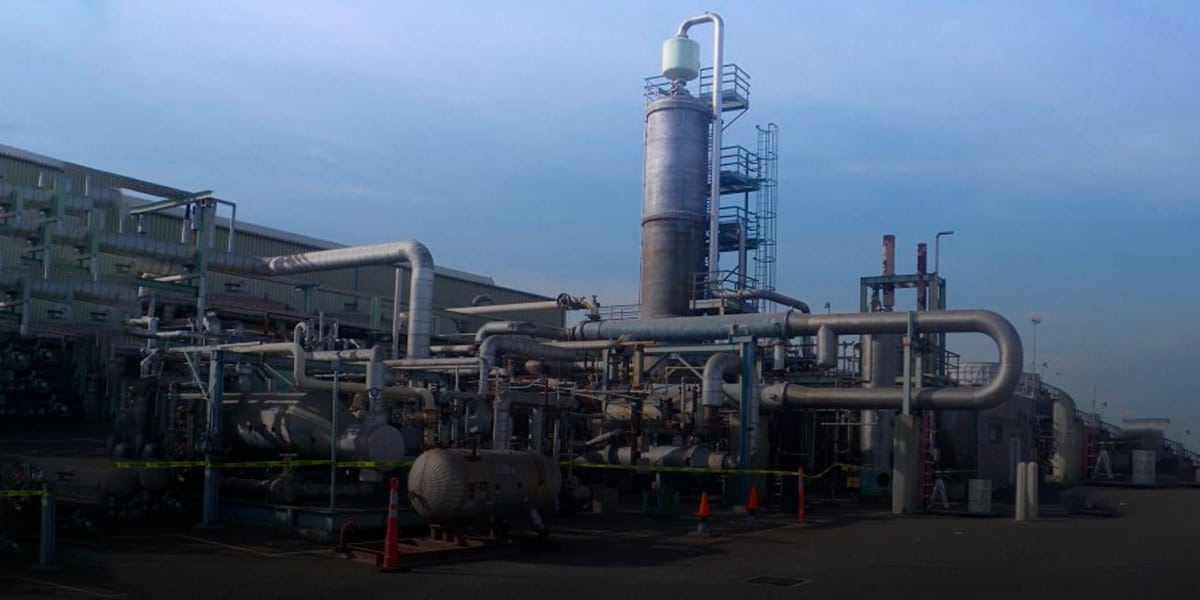
Hydrogenation is the process of adding hydrogen to something else. This chemical reaction requires the presence of a catalyst such as nickel or platinum.
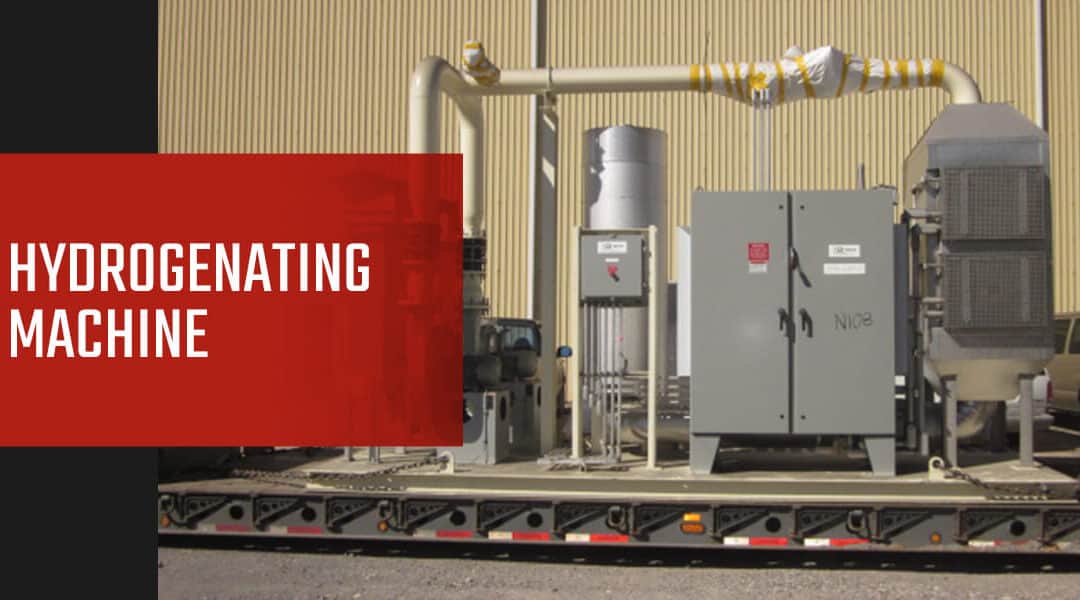
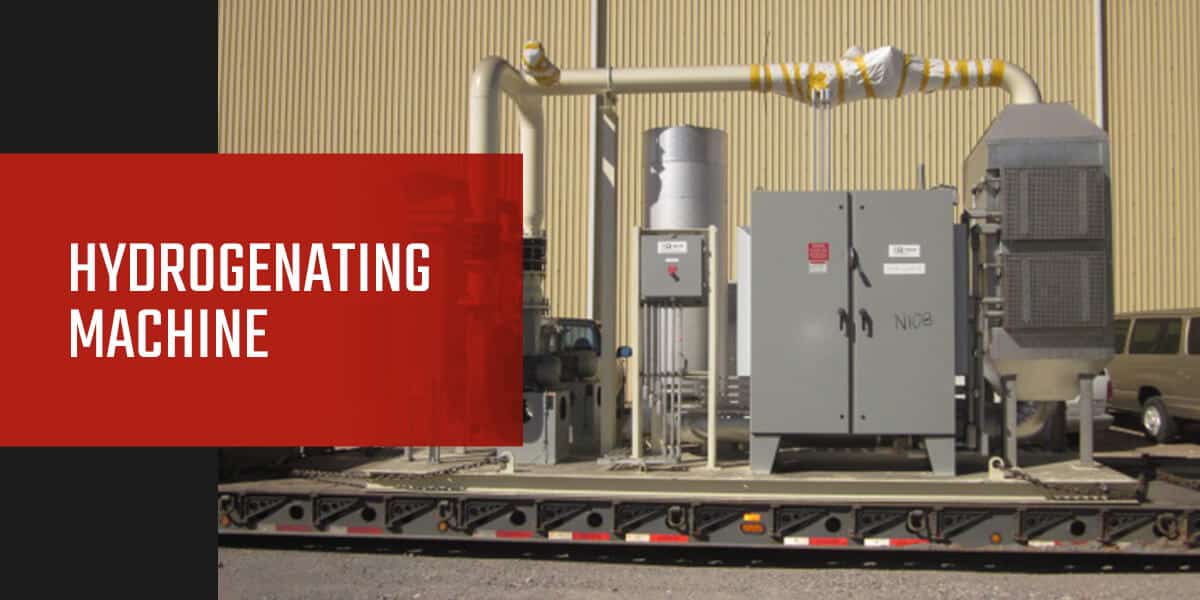
You may use a hydrogenation machine to:
Alter a fat’s consistency.
Convert liquid oils into solid fats.
Stabilize oils and fats.
Increase edible oil and fat availability.
The hydrogenation process will reduce the number of double or triple bonds found in existing hydrocarbons. There are several hydrogenation processes, such as hydrocracking and hydrotreating.
Hydrocracking and Hydrotreating
In an industrial setting, a fixed bed plug flow reactor sends gas and liquid to downflow trickle bed reactors. This area is where hydrocracking and hydrotreating occur.
Hydrotreating is a common process in the petroleum industry. It helps remove any unwanted compounds from the final product for higher-quality results. You can use hydrotreating to remove nitrogen, sulfur, metals or oxygen compounds.
On the other hand, hydrocracking takes large hydrocarbon molecules and breaks them into smaller ones. Hydrocracking occurs under high pressure and with elevated temperatures.
How It Applies to Different Industries
You can use a hydrogenation machine in multiple industries. Explore a few of them below.
Food
The hydrogenation of oils process turns vegetable oil into solid or semisolid fats. Hydrogenation of these fats causes them to harden. The process improves flavor stability at a cost-effective price because it reduces unsaturation. Often, you will want to hydrogenate vegetable oil to either:
Convert natural fats or oils into a solid form with high consistency or melting points, which is helpful for margarine or shortening.
Enhance the oxidative stability of fats.
In the food industry, hydrogenated fat is a common substitute for butter fats. Hydrogenated fats and oils are less expensive and easier to store than butter fats.
Completing hydrogenation helps prevent flavor deterioration. The solid and semisolid fats made from hydrogenation are used in products such as:
Margarine
Candy
Spreads
Baked goods
You can create different degrees of hydrogenation, determining how easy it is to spread the food product.
Chemical or Pharmaceutical
You could also use a hydrogenation machine in the chemical and pharmaceutical industries. Hydrogenation of nitrobenzene produces aniline. The nitrobenzene is put with hydrogen inside a reactor, along with a noble metal catalyst.
Most aniline production is for the creation of methylene diisocyanate (MDI). Those in the pharmaceutical industry can also use hydrogenation to make chiral and other activated pharmaceutical ingredients (APIs).
Gas
The hydrocracking process is common in the diesel and gas industries. Here, the hydrocracker takes gas oil and cracks the heavy molecules in the presence of hydrogen and a catalyst to turn them into gasoline and distillate. The process can convert lower-quality gas oils into better and cleaner jet fuel, gas or diesel.
Hydrotreating is also important in the petroleum and gas industry. Impurities in petroleum can potentially damage catalysts, equipment and product quality. Hydrotreating removes these impurities, and it’s often completed before the hydrocracking process.
Buying Used From Louisiana Chemical Equipment Company (LCEC)
At LCEC, we source used equipment such as hydrogenation machines to help you get what you need. Buying used machines and equipment from us offers several benefits, such as:
A cost-effective solution:New machines have high upfront costs — why pay extra when you can get a used product that runs the same way for a lower price point?
Immediate availability:If you see it for sale, we have it available. There are no lead times for used equipment when you shop with us.
Honest listings:All of our equipment is in the condition we tell you it is. We will never surprise or mislead you.
A solid reputation:We are well-known in this industry. We source quality used machines to ensure you get products you can rely on.
Contact LCEC to Learn More About Our Used Hydrogenation Machines
Are you ready to buy a used hydrogenation machine? Shop with Louisiana Chemical Equipment Company today. We’re here to help you find the used equipment you need to help your business succeed. We work on an international scale, so no matter where you are, our team can help.Contact us online todayfor more information!
Louisiana Chemical Equipment Company, L.L.C. offers an extensive range of quality chemical process equipment and Complete Chemical Plants with competitive pricing.
You have an old piece of equipment — or several pieces — that you need to get off your hands. Maybe you’re upgrading to a newer model, or perhaps your facility’s needs have changed, and you have to make space for other operations. Either way, selling used equipment that still has some life left can earn you a return on your investment, but how can you ensure you’re getting the most bang for your buck?
Your equipment’s resale value depends on various factors, many of which are beyond your control as a seller. However, understanding how each of these variables affects the asking price of your used equipment can inform your strategy and help you figure out how to get the best return on your investment.
6 Factors That Affect the Value of Used Equipment
Understanding what impacts used equipment values can help you determine whether you’re getting a fair price. The following factors are the most influential in determining resale value.
1. Age
While it is true that older equipment generally has a lower resale value than newer pieces, every machine ages differently. For example, the value of a used air fin cooler will differ from that of a heat exchanger, even though they may be the same age. The extent of use is also more pivotal for some machines than others.
Depreciation plays a significant role in determining how much you can get for your used equipment. While its resale value is usually proportional to the original price, that depends on how long ago the manufacturer first released it. If it has been on the market for more than a few years, you may get a much lower price for it than you expect.
2. Condition
Equipment in good condition is usually more valuable than poorly maintained equipment, regardless of age or brand. For example, if you regularly perform preventive maintenance on an older dryer you’re trying to resell, you’re likely to get a better price for it than you would if you were trying to sell a newer model you neglected to maintain.
If you’re considering selling your equipment or you plan to do so in the future, it’s best to sell it while it’s still in excellent condition. Perform regular preventive maintenance and inspect your equipment frequently to ensure it’s working well. Your facility will experience less downtime, and you’ll get a higher return on your investment.
3. Market Value
Changes in the market can dramatically change the price you can expect to get for your used equipment. Two overall markets affect resale value.
Forced-liquidation value: The expected value of an asset in a transaction involving one seller and many potential buyers. FLV is usually a factor in public auctions, where sales are subject to strict timelines, rather than with private resale.
Fair-market value: The typical retail value of equipment in an open, competitive market where both buyers and sellers are well-informed and mutually agree on the price. This price depends on several factors, including the original sale price, the extent of depreciation and the retail value of similar pieces.
Your used equipment’s market value will fluctuate depending on the following factors.
Availability of like machines: When plenty of similar machines are saturating the market, your machine’s value will inevitably decrease. Similarly, when there are few machines like yours available, you can set a higher asking price.
Transportation costs: Depending on your equipment’s size and weight, your buyer may need to make an additional investment to move it to their location.
Support costs: Some manufacturers will charge an additional fee to the buyer to supplement the support a second owner needs.
4. Economic Conditions
Changes in the overall state of the economy can significantly impact the value of used machinery. For example, chemical manufacturing plants process less product when a recession occurs, which leads to a decline in demand for equipment. During these periods, you’re likely to make less on your sale than you would if you sold during a period of economic growth.
Critical economic factors to watch include:
Changes in political administrations
Inflation
Stock market fluctuations
Interest rates
5. Parts Availability
This factor goes hand in hand with age. Eventually, your original equipment manufacturer will stop producing replacement parts for your equipment because it is now out of date.
You’re most likely to get a better price for your equipment while your OEM still supports it. Before you sell, ensure replacement parts are still available and easy to obtain — this is when you’ll probably get the best deal.
6. Timing
Properly timing your sale directly impacts resale value. Sometimes, you must get rid of your equipment immediately to make room for new acquisitions, so you opt for a selling method that gets the job done as quickly as possible. However, you’re likely to lose out on sales that way.
If you can afford to wait for ideal market conditions, you’re likely to have more opportunities to maximize your return.
Tips for Selling Used Equipment
Need some advice on where to start? Here are some additional tips and tricks for maximizing your return on investment.
Clean your equipment: A simple clean-up can work wonders in improving resale value. Performing a thorough cleaning can also help you identify any imperfections, which can impact your resale value.
Take photos and videos: Whether you’re working with an equipment company or you plan to sell yourself, providing visual evidence of your equipment’s condition can give your potential buyers confidence in their decision to purchase from you.
Keep an eye on the market: Knowing how the resale market works is critical to getting the most for your used equipment. Watch price fluctuations and the changing availability of similar equipment to determine the best time to sell.
Get an appraisal: Ask a certified equipment appraiser to determine your equipment’s resale value. These professionals have years of experience under their belt, allowing them to accurately determine the fair market value of used machinery.
Why Should You Sell to Louisiana Chemical Equipment Company?
We’re more than a premier international chemical equipment supplier — we’re also a top buyer of chemical industry equipment. Our experienced appraisal team will consider anything you want to sell, from cooling towers to centrifuges.
Reach out to us today for more information about what we can do for your facility.
Sell Your Used Equipment to LCEC
Are you looking to sell used chemical equipment? Provide us with some information, and we’ll get back to you with more details about our process. Get started by filling out our online form here.
Louisiana Chemical Equipment Company, L.L.C. offers an extensive range of quality chemical process equipment and Complete Chemical Plants with competitive pricing.
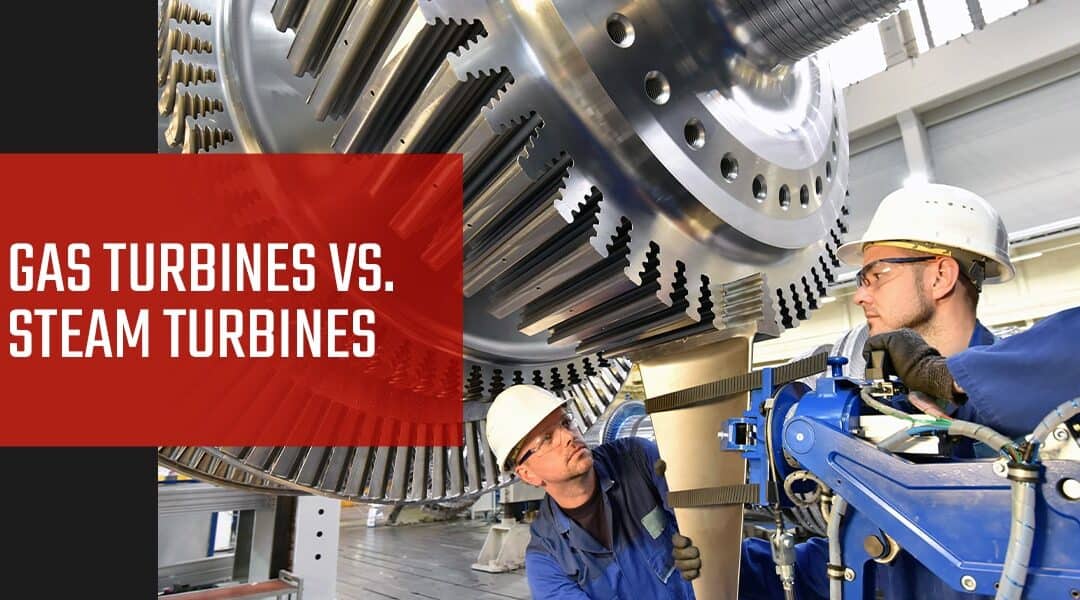
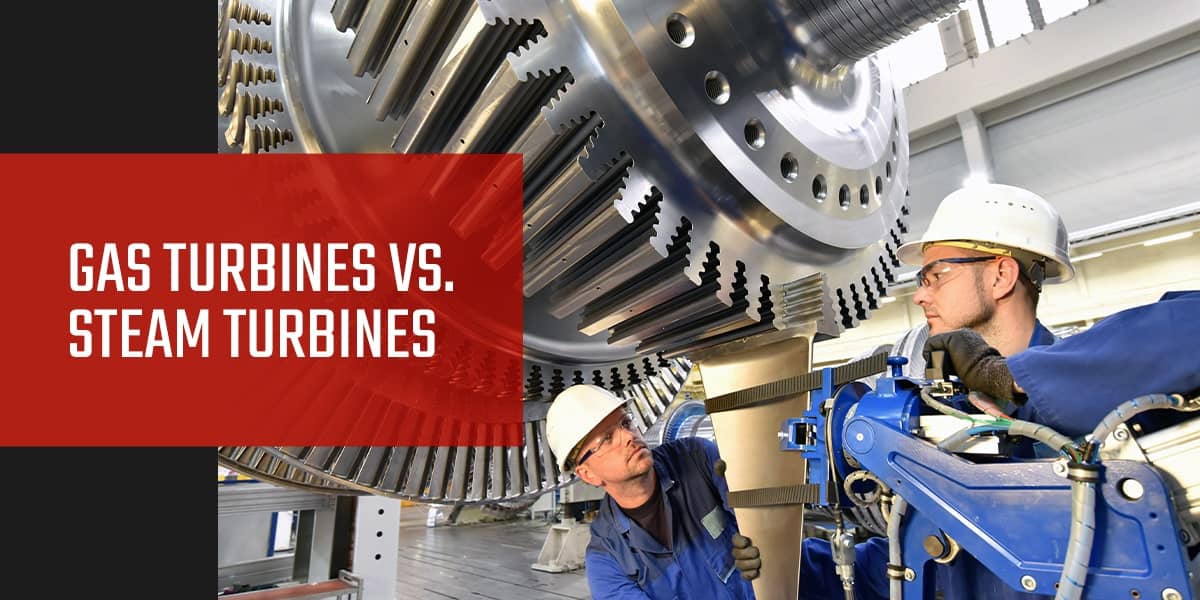
If your industrial operation relies on turbines for power generation, you may question whether steam or gas is the right type for you. While these systems operate differently from each other, there are other factors such as efficiency, cost and space to consider.
How Does a Gas Turbine Work?
Gas turbines rely on combustion to operate. These systems use compressed air and fuel to create hot exhaust gas that can produce power or electricity. The primary components of a gas turbine are a compressor, a combustion chamber and the turbine blades that create rotational energy with the exhaust gas.
How Does a Steam Turbine Work?
Steam turbines rely on the expansion of water to turn the rotors and create energy. Steam turbines have a simple design compared to gas turbines. A boiler heats water to turn it into steam, and pumps push it through rotors at a high velocity.
What Are the Differences Between Gas and Steam Turbines?
Aside from relying on different fuel sources to run, there are other notable differences between gas and steam turbines. Understanding what separates them can help you determine which turbine type is best for your operation. Significant differences include:
Efficiency:One of the first questions people ask is, “Which is more efficient, steam turbines or gas turbines?” Since steam can hold high amounts of energy from the latent heat of vaporization, steam models are much more efficient than gas turbines.
Cost:On top of installation expenses, the cost to continually heat water for a steam turbine is much higher than the running costs of a gas turbine.
Space:Steam turbines typically take up more space than gas models with the boiler component.If you’re planning on installing a turbine, consider how much installation space you have available.
Cleanliness:The boilers in steam turbines can use fossil fuel alternatives to heat the water, and the steam is free of emissions. If you’re looking to cut down on your carbon footprint, steam models are a better option.
Starting time:Steam turbines take more time to start up than gas turbines because water needs to be heated before the system can run.
Browse Turbines at LCEC
At Louisiana Chemical Equipment Company, we carry a range of used turbines for chemical processing operations and other industries. With both gas and steam models available, you can find the right type based on your priorities.Browse our full inventorytoday and search turbines by sub-class to find gas or steam models. If you have questions for us,contact our team.
Louisiana Chemical Equipment Company, L.L.C. offers an extensive range of quality chemical process equipment and Complete Chemical Plants with competitive pricing.
Your operation may have purchased used equipment in the past, but selling used equipment is an option too. Your operation’s goals may change, and you no longer need a machine you once did. Other times, you buy a newer model to meet productivity demands, and the old one sits and takes up space.
Regardless of why your industrial equipment is sitting untouched, selling it with a reliable buyer can be a smart move for your company. At Louisiana Chemical Equipment Company, we’re prepared to buy.
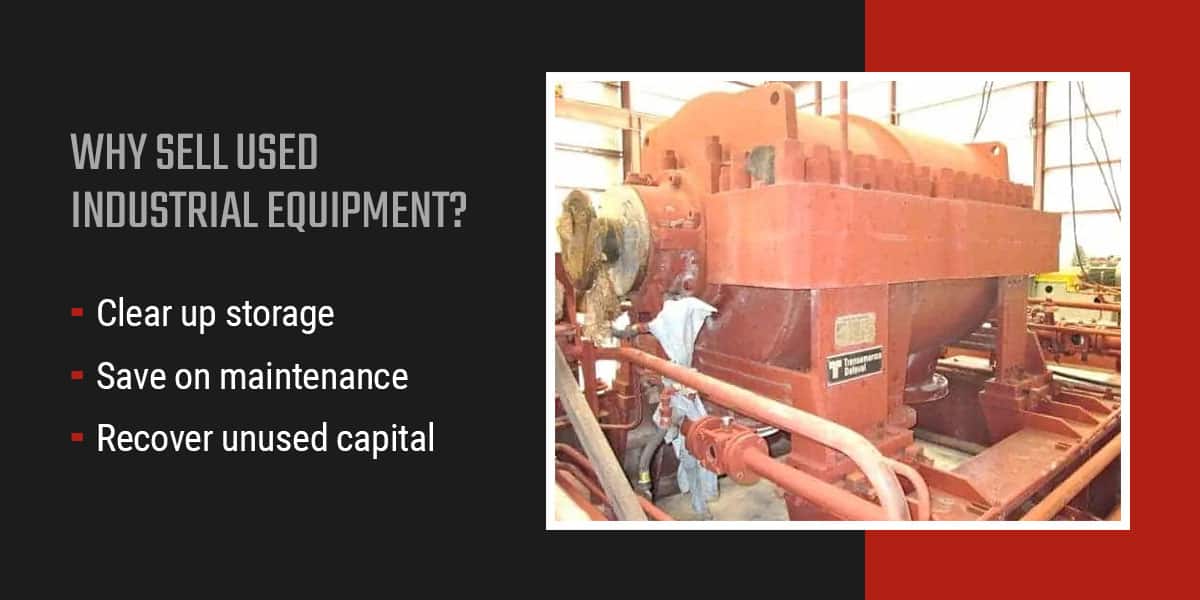
Why Sell Used Industrial Equipment?
Selling used equipment comes with three major benefits:
Clear up storage: Whether you keep idle equipment in a storage facility or tucked away on the production floor, it’s taking up valuable space. Selling this equipment will help you cut down on storage costs or dedicate the space to equipment that you use.
Save on maintenance: Unused industrial equipment on your factory floor still needs regular maintenance to ensure it’s functional. Investing in maintenance programs for machines you don’t use is time and money lost. Say goodbye to idle equipment along with the associated costs when you sell your used machines.
Recover unused capital: Your equipment required an investment, and when it’s not doing anything for your operation, your capital isn’t serving your company. Sell your used equipment to recover your investment and dedicate it to something more meaningful for your company.
How to Sell Used Industrial Equipment
At LCEC, we have a straightforward sales process to help you recover capital. Generally, the sales process will look like this:
Get in touch with us. LCEC is a used equipment expert. Whether you’ve purchased something from us before or you’re searching for a reliable buyer, you can count on us for a simple sales process for your used equipment.
Send photos. Our team wants to assess your equipment to determine its value. We’ll ask for various photos to determine the condition of your machine, so we can give you an appropriate price.
Agree to the sale. If you agree to the sale, we’ll organize a payment method. Our team can offer cash or credit to our store. We can even organize a trade for one of our inventory items of similar value.
What We Buy
If you take a look at the equipment categories on our site, you can get an idea of the types of products we purchase. We focus on a wide range of chemical processing equipment such as:
Agitators
Centrifuges
Exchangers
Injection molders
Blowers
Turbines
Screeners
Pumps
Extruders
And much more
We also purchase complete plants designed for advanced processes, such as:
Hydrocracker reactors
Formaldehyde plants
Hydrogen plants
Ammonium equipment
Industries We Serve
While we call ourselves a chemical equipment company, the industries we serve go far beyond chemical processing. Other sectors we serve include:
Pharmaceuticals
Oil and gas
Petrochemicals
Food and beverage
Rubber and plastics
Packaging
Research and development (R&D)
Sell Your Equipment to LCEC
At LCEC, we’re dedicated to making the selling process a simple process. Fill out our selling form today, and we’ll reach out to you with more information.
Louisiana Chemical Equipment Company, L.L.C. offers an extensive range of quality chemical process equipment and Complete Chemical Plants with competitive pricing.
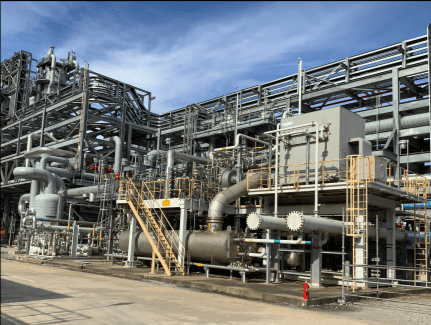
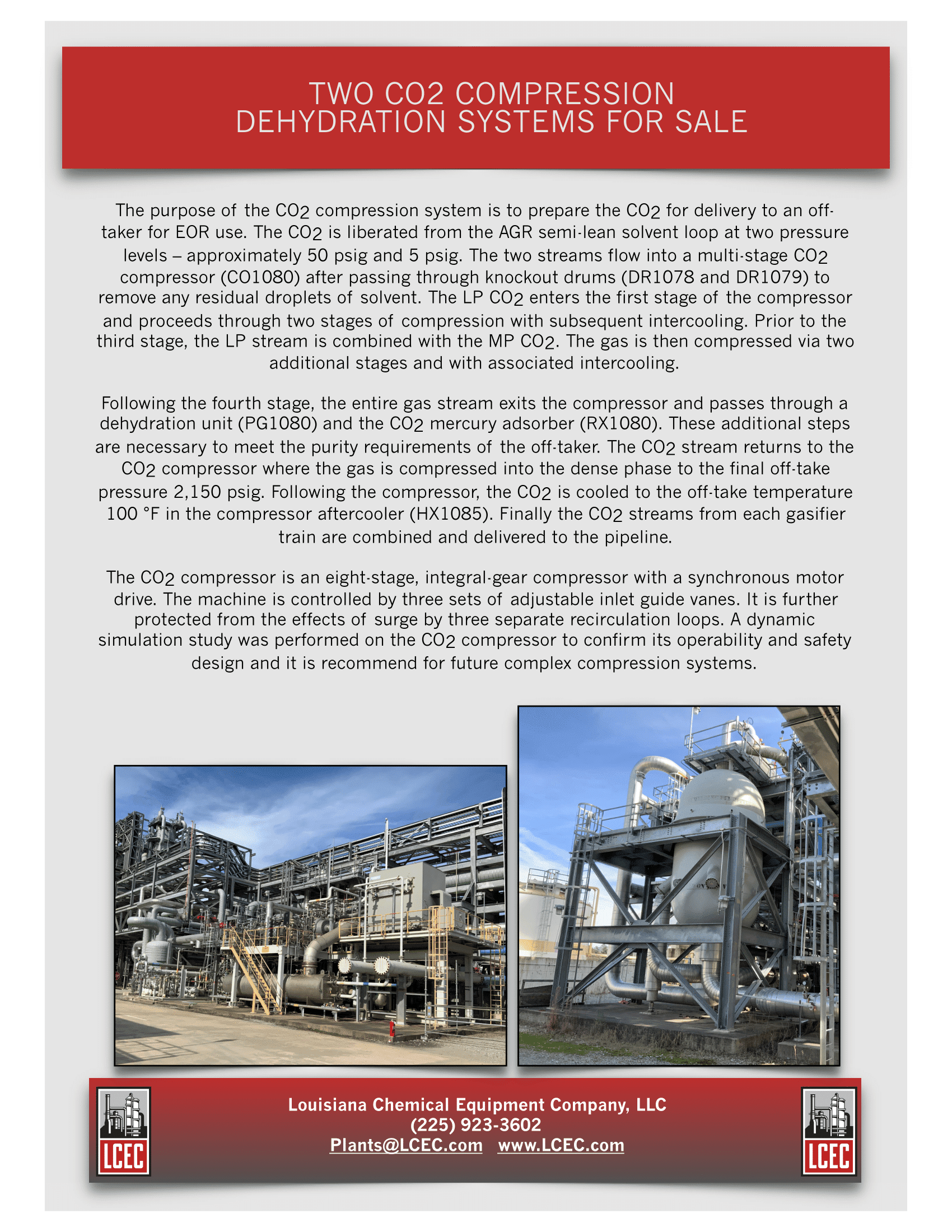
The purpose of the CO2 compression system is to prepare the CO2 for delivery to an off-taker for EOR use. The CO2 is liberated from the AGR semi-lean solvent loop at two pressure levels approximately 50 psig and 5 psig. The two streams flow into a multi-stage CO2 compressor (CO1080) after passing through knockout drums (DR1078 and DR1079) to remove any residual droplets of solvent. The LP CO2 enters the first stage of the compressor and proceeds through two stages of compression with subsequent intercooling. Prior to the third stage, the LP stream is combined with the MP CO2. The gas is then compressed via two additional stages and with associated intercooling.
Following the fourth stage, the entire gas stream exits the compressor and passes through a dehydration unit (PG1080) and the CO2 mercury adsorber (RX1080). These additional steps are necessary to meet the purity requirements of the off-taker. The CO2 stream returns to the CO2 compressor where the gas is compressed into the dense phase to the final off-take pressure 2,150 psig. Following the compressor, the CO2 is cooled to the off-take temperature 100 °F in the compressor aftercooler (HX1085). Finally the CO2 streams from each gasifier train are combined and delivered to the pipeline.
The CO2 compressor is an eight-stage, integral-gear compressor with a synchronous motor drive. The machine is controlled by three sets of adjustable inlet guide vanes. It is further protected from the effects of surge by three separate recirculation loops. A dynamic simulation study was performed on the CO2 compressor to confirm its operability and safety design and it is recommend for future complex compression systems.
Louisiana Chemical Equipment Company, L.L.C. offers an extensive range of quality chemical process equipment and Complete Chemical Plants with competitive pricing.
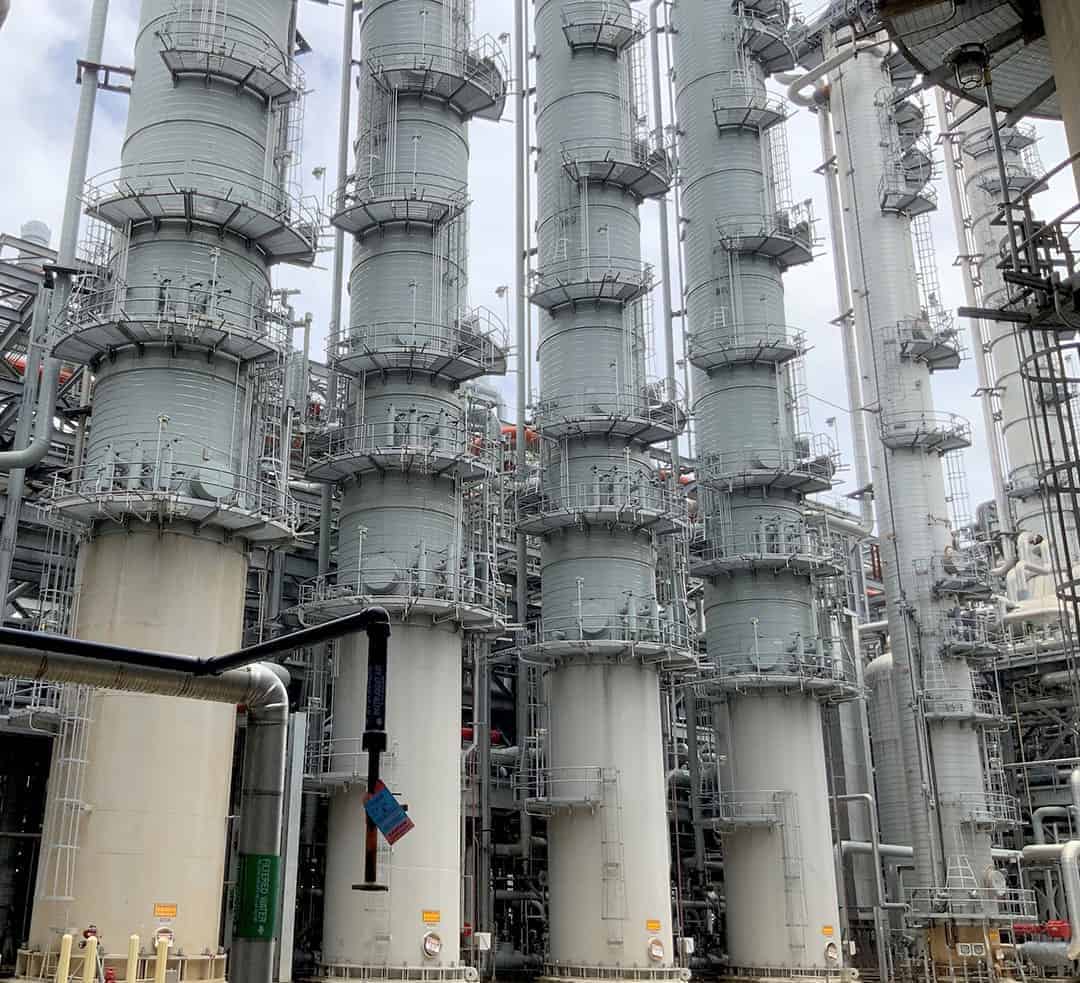
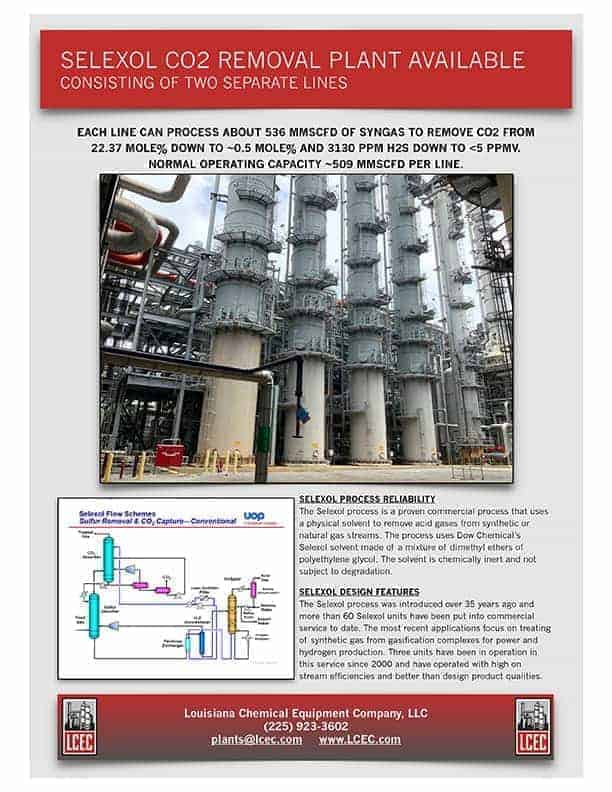
SELEXOL CO2 REMOVAL PLANT AVAILABLE CONSISTING OF TWO SEPARATE LINES
CO2 Removal Plant for Sale
Chemical Processing Equipment Available from LCEC.
SELEXOL PROCESS RELIABILITY
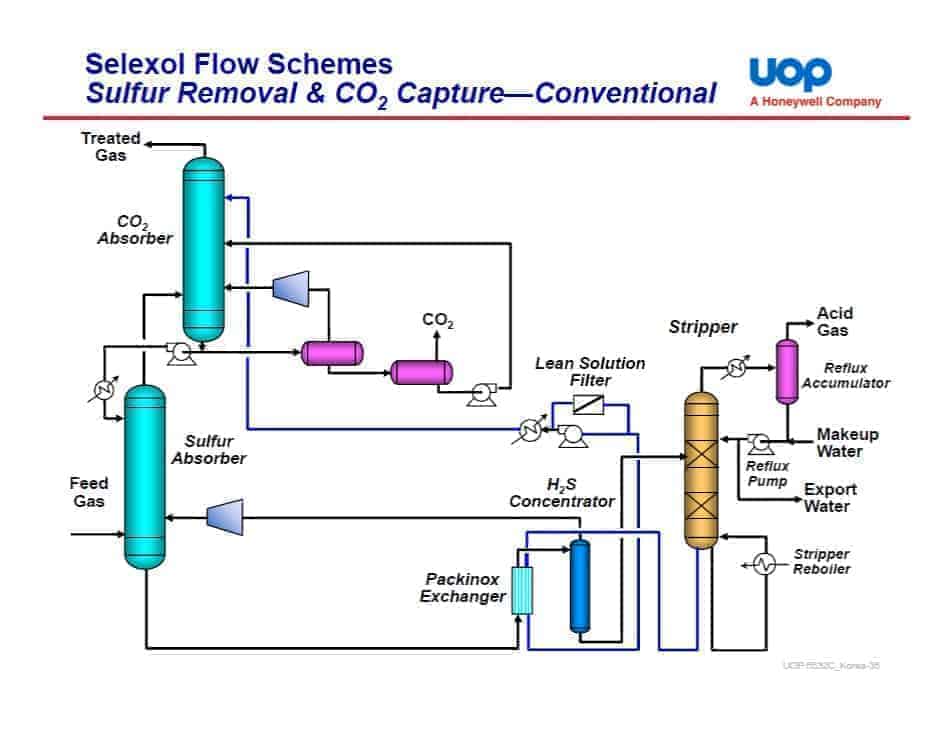
The Selexol process is a proven commercial process that uses a physical solvent to remove acid gases from synthetic or
natural gas streams. The process uses Dow Chemical’s Selexol solvent made of a mixture of dimethyl ethers of polyethylene glycol. The solvent is chemically inert and not subject to degradation.
SELEXOL DESIGN FEATURES
The Selexol process was introduced over 35 years ago and more than 60 Selexol units have been put into commercial service to date. The most recent applications focus on treating of synthetic gas from gasification complexes for power and hydrogen production. Three units have been in operation in this service since 2000 and have operated with high on stream efficiencies and better than design product qualities.
For assistance with choosing the best CO2 Removal Plant for your chemical equipment needs, please do not hesitate to contact us.
THE UNIT CAN PROCESS ABOUT 536 MMSCFD OF SYNGAS TO REMOVE CO2 FROM 22.37 MOLE% DOWN TO ~0.5 MOLE% AND 3130 PPM H2S DOWN TO <5 PPMV. NORMAL OPERATING CAPACITY ~509 MMSCFD. SELEXOL PROCESS RELIABILITY.
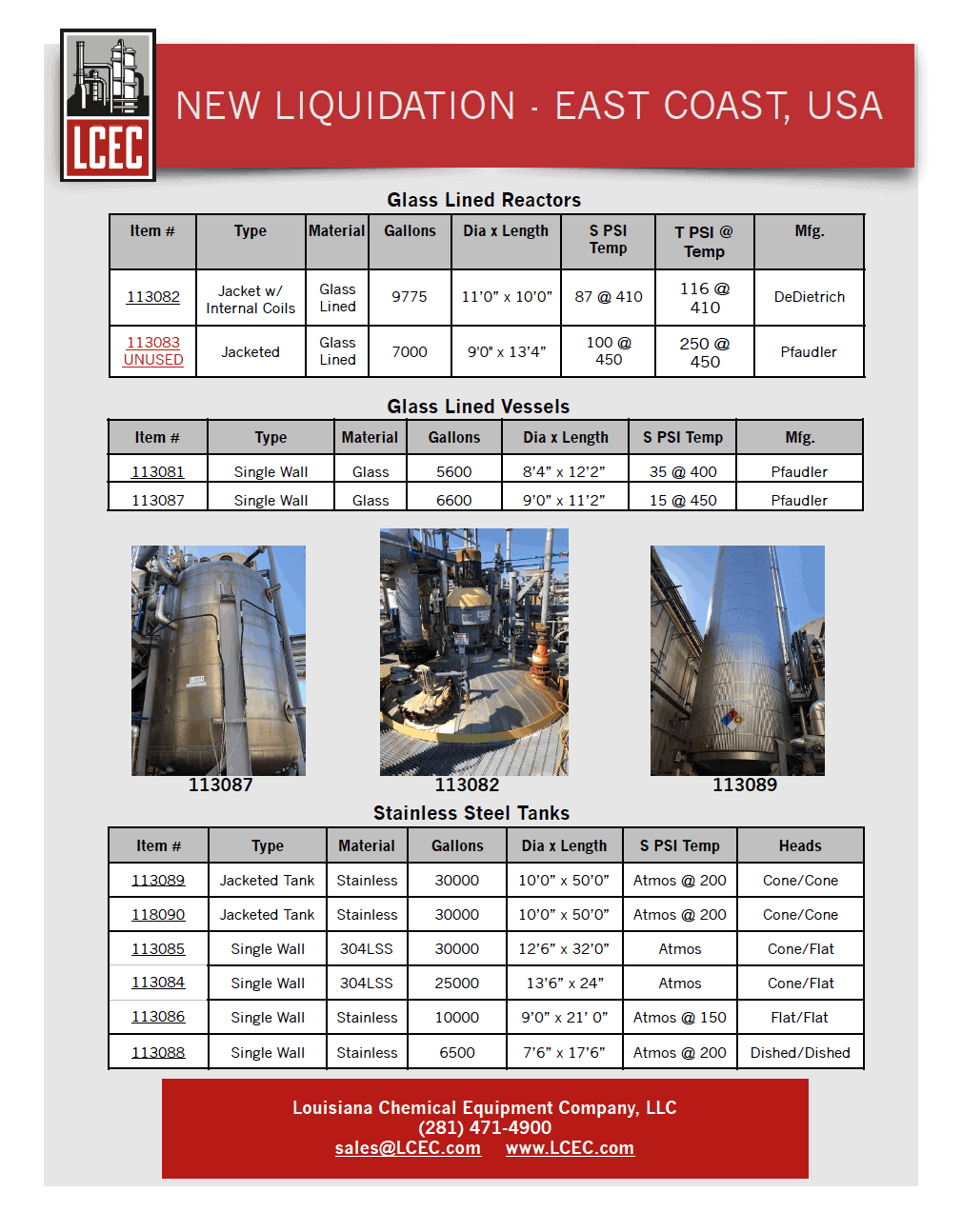
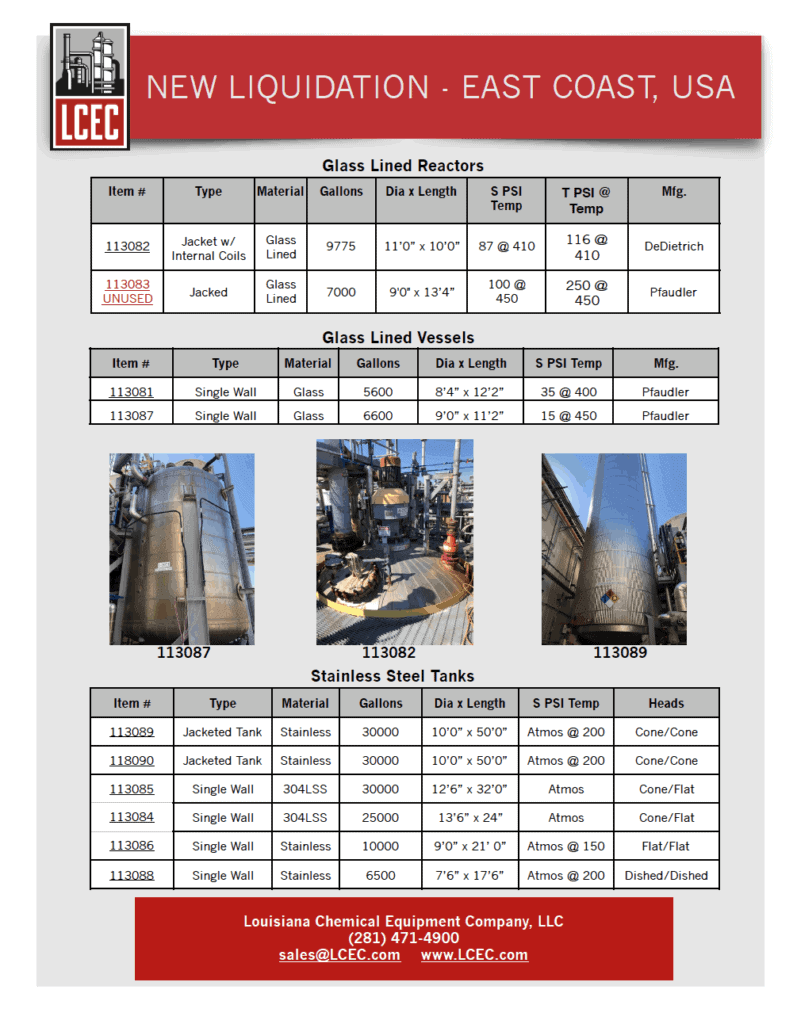
Glass Lined Reactors, Glass Lined Vessels, and Stainless Steel Tanks.
Louisiana Chemical Equipment Company is the leader in used process equipment sales and complete industrial plants. LCEC has a new LIQUIDATION available, including: Glass Lined Reactors, Glass Lined Vessels, and Stainless Steel Tanks.
Louisiana Chemical Equipment Company, L.L.C. offers an extensive range of quality chemical process equipment and Complete Chemical Plants with competitive pricing.
Louisiana Chemical Equipment Company, L.L.C.
offers an extensive range of quality chemical process equipment and Complete Chemical Plants with competitive pricing.
At LCEC we buy and sell new and used process equipment and industrial plants. Our inventory includes used heat exchangers, tanks, pumps, columns, compressors, reactors/vessels, complete plants and much more. If you have any chemical equipment needs or have surplus equipment for sale, feel free to reach out.
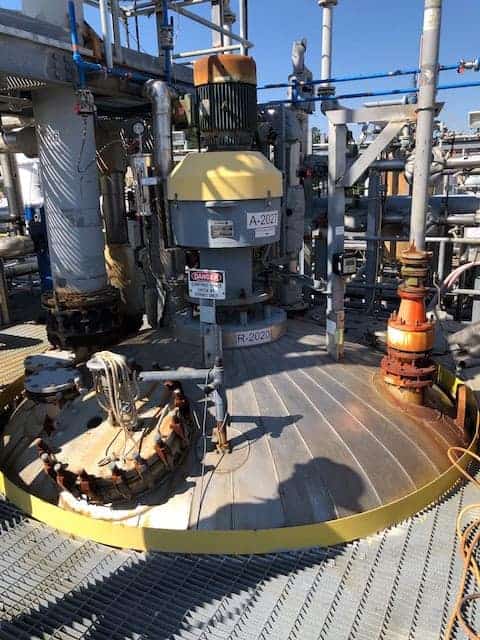
This week LCEC has new Liquidations from East Coast, USA. Glass Lined Reactors, Glass Lined Vessels, & Stainless Steel Tanks are among our process equipment for Sale right now.
Louisiana Chemical Equipment Company, L.L.C. offers an extensive range of quality chemical process equipment and Complete Chemical Plants with competitive pricing.
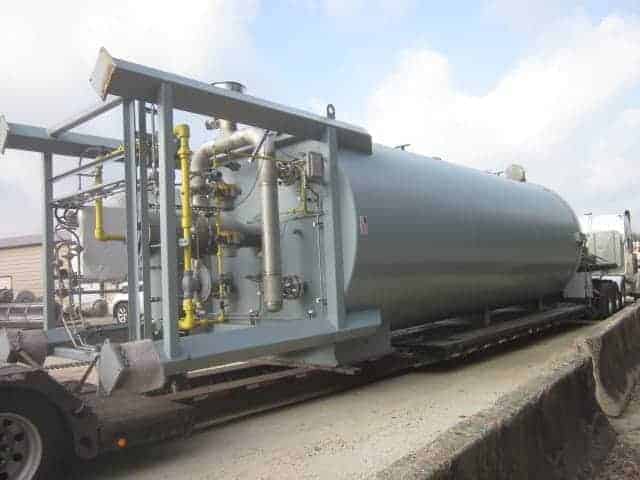
Unused 22MMBTU/HR Ultra-Low Nox Heatec Fired Heater and Unused Air Fin Coolers for Sale
Chemical Processing Equipment for Sale from LCEC.
Unused Ultra-Low Nox vertical Natural Gas Fired Heater Package. Heatec Model 16010-40. Coil Duty is 20,380,687 Btu/hr. Economizer Duty is 1,759,313 Btu/hr. The Heater Duty is 22,140,000 Btu/hr. The Required Burner Input (HHV) is 30,555,370 Btu/hr.
Louisiana Chemical Equipment Company, L.L.C. offers an extensive range of quality chemical process equipment and Complete Chemical Plants with competitive pricing.
Louisiana Chemical Equipment Company carries quality liquidation chemical equipment and complete plants. Currently available is this used boiler manufactured by Cleaver Brooks. This used water tube boiler capabilities include: 214,000 LBS/HR, 6294 HP, & 450 PSI.
LCEC’s Sales Team has extensive experience with used and unused chemical process equipment, surplus, & liquidations.
For more information or to request a quote online click below.
Get in contact with
Louisiana Chemical Equipment company
LCEC Storage Yard Locations: Baton Rouge, LA • Orange, TX • Green Springs, Ohio • Williamsport, NJ • Enid, OKLaValle, Quebec, Canada • Liberty, SC • Belfast, Northern Ireland • Johannesburg, South Africa • Seoul, South Korea • Manchester, England • Priolo, Italy • Roven, FranceFrankfurt, Germany • Oulu, Finland • Perth, Australia
Louisiana Chemical Equipment Co., L.L.C.(LCEC’s) executive offices are located in Baton Rouge, LA and we have chemical processing equipment worldwide. From Complete Plants too Heat Exchangers and Centrifuges, we have you covered.
Our LaPorte, TX office host our sales team and one of our Chemical Plant equipment storage yard. We are positioned to help you find your chemical products, dismantle, and relocate anywhere. If you are a Plant owner, or looking for chemical processing equipment contact our knowledgable and experienced staff today.
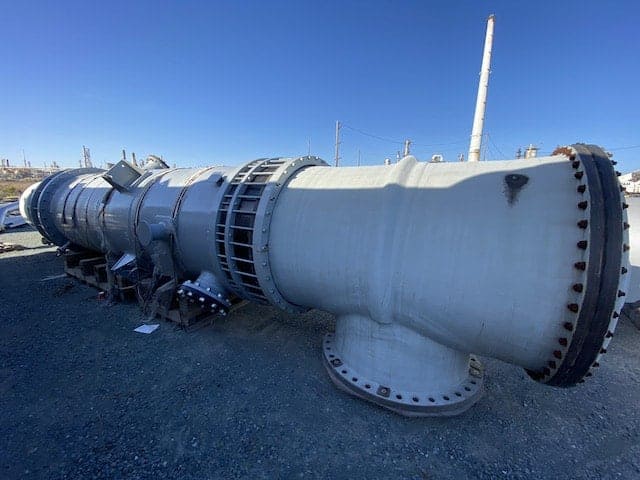
Heat Exchangers for Sale. Louisiana Chemical Equipment Company carries industry standard Heat Exchangers for efficient performance and proven reliability. We have more than 1,000 used, new and surplus heat exchangers. Available this week, we recently acquired Unused Carbate Heat Exchangers.
For more information or to request a quote online click below.
Get in contact with Louisiana Chemical Equipment company
LCEC Storage Yard Locations: Baton Rouge, LA • Orange, TX • Green Springs, Ohio • Williamsport, NJ • Enid, OKLaValle, Quebec, Canada • Liberty, SC • Belfast, Northern Ireland • Johannesburg, South Africa • Seoul, South Korea • Manchester, England • Priolo, Italy • Roven, FranceFrankfurt, Germany • Oulu, Finland • Perth, Australia
Louisiana Chemical Equipment Co., L.L.C.(LCEC’s) executive offices are located in Baton Rouge, LA and we have chemical processing equipment worldwide. From Complete Plants too Heat Exchangers and Centrifuges, we have you covered.
Our LaPorte, TX office host our sales team and one of our Chemical Plant equipment storage yard. We are positioned to help you find your chemical products, dismantle, and relocate anywhere. If you are a Plant owner, or looking for chemical processing equipment contact our knowledgable and experienced staff today.
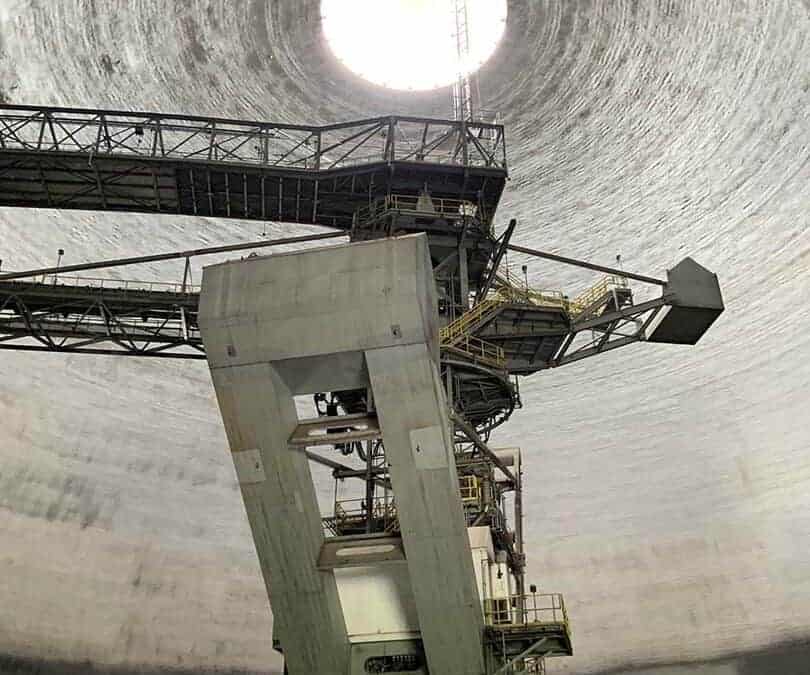
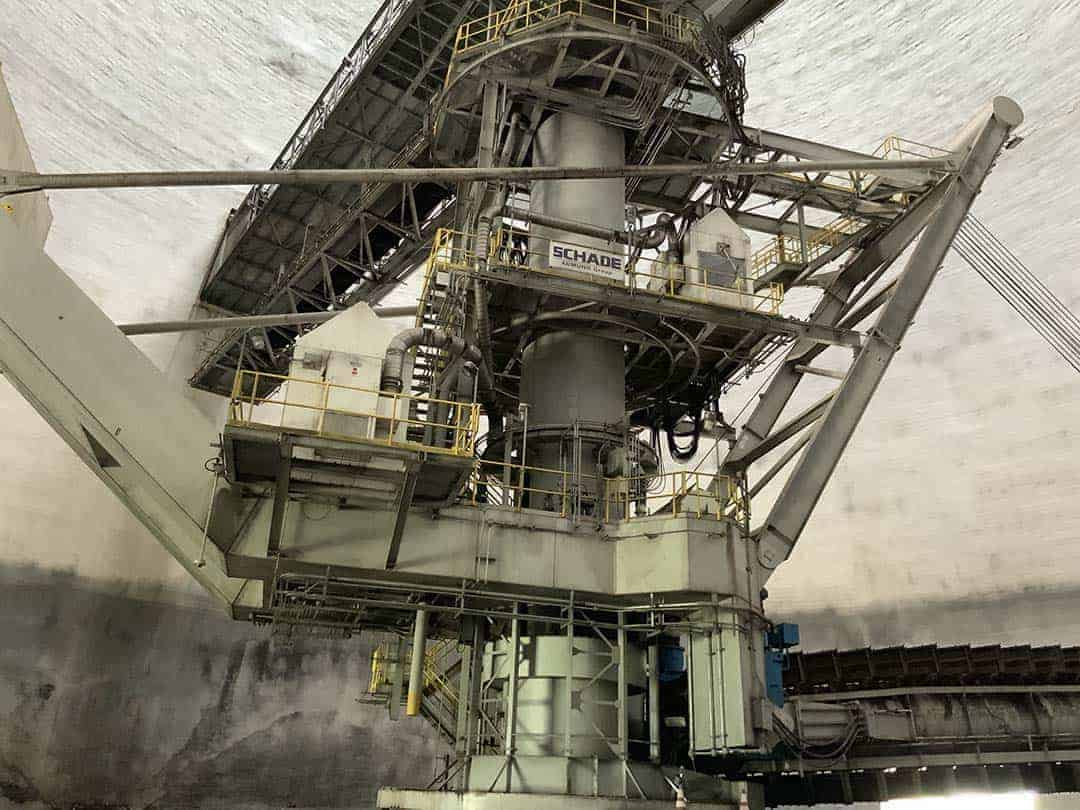
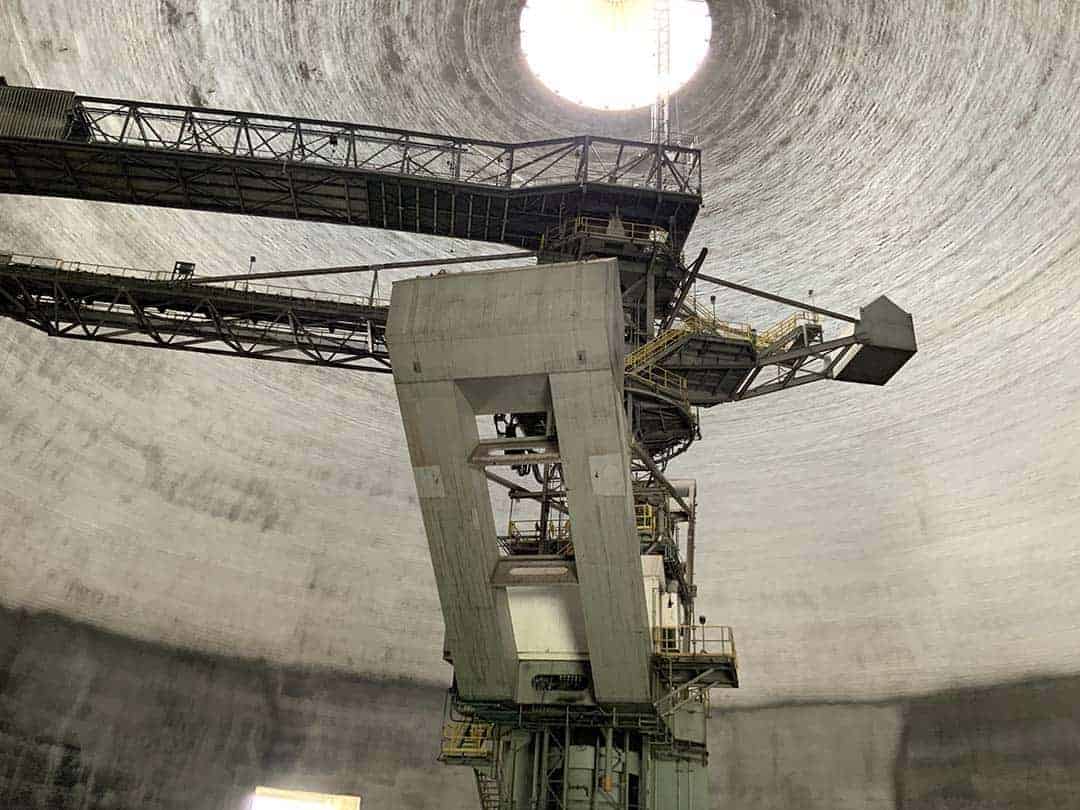
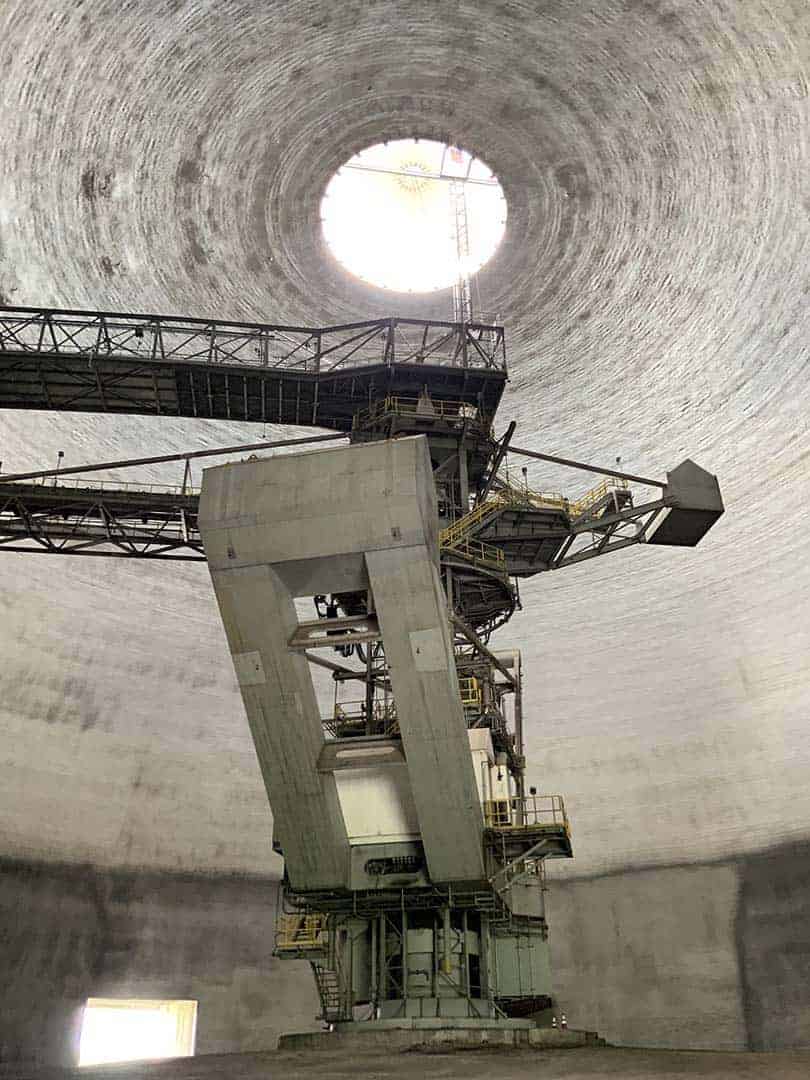
100,000 Ton Stacker, Radial, Reclaimer • Schade Aumund
LCEC delivers over 50 years of real experience and real solutions. From Heat Exchangers to Cooling Tower, we have you covered. Choose from our extensive online equipment inventory. New and used chemical process equipment and complete plants.
Our current specials include: – Wet Sulfuric Acid (WSA) – 712 MTPD – Selexol CO2 Removal, Qty 2 lines – 536 mm scfd each – CO2 Dehydration, Qty 2 lines – Nitrogen Production – 2.858,000 scf/hr – Ammonia Loading System – 200,000 gallon capacity
We buy and sell Complete Chemical Plants and Process Equipment Worldwide. Louisiana Chemical Equipment Company has locations around the globe, which gives us the ability to acquire entire Complete Plants for relocation. If your looking for Ammonia, Nitric Acid, Urea, Hydrogen, Methanol or any other Complete Plant our sales team is here to help you.
Louisiana Chemical Equipment Company buys and sells complete chemical plants and process equipment on a worldwide. If you need Ammonia, Nitric Acid, Urea, Hydrogen, Methanol or any other Process Complete Plant, our team is here to help.
Our agitators are machines that process product in the chemical, pharmaceutical, food and chemical plant industry. Agitators mix liquids together and promote reactions, including increasing heat transfer.
For more information or to request a quote online click below.
This dismantled Nitric Acid Plant for sale by Louisiana Chemical Equipment Company is capable of producing 300 TPD. The equipment is stored at LCEC’s site in LaPorte, Texas. There is the technical documentation available including operating manuals, process descriptions, P&ID’s to re-rect this plant at another location. Additionally we have the dismantling and match marking package that was done.
We buy and sell Complete Chemical Plants and Process Equipment Worldwide. Louisiana Chemical Equipment Company has locations around the globe, which gives us the ability to acquire entire Complete Plants for relocation. If your looking for Ammonia, Nitric Acid, Urea, Hydrogen, Methanol or any other Complete Plant our sales team is here to help you.
Louisiana Chemical Equipment Company buys and sells complete chemical plants and process equipment on a worldwide. If you need Ammonia, Nitric Acid, Urea, Hydrogen, Methanol or any other Process Complete Plant, our team is here to help.
Syngas Plant for Sale from LCEC. This Hydro-Chem (now Linde) designed 15.7 MMSCFD (18,500 Nm3/hr) syngas reforming plant almost like new immediately available for purchase. The plant was built in 2016 and operated for only a few months. This plant was designed to use landfill gas and/or natural gas to produce synthesis gas, which is then converted into paraffinic naphtha, diesel and wax by Fischer-Tropsch process.
The syngas output flow rate is at 500°F and 175 psig. The syngas has the following composition (mol %): Hydrogen 43.01, Carbon Monoxide 16.37, Carbon Dioxide 8.34, Nitrogen 3.90, Methane 1.42, Argon 0.16, Water 26.79. Capacity may be varied from the control panel from 100% of design to 40% of design. The syngas can also be further processed depending on the desired final products such as ammonia and methanol.If potential client adds shift converter, PSA system, and an Amine System the assets could produce approximately 6-7 MMSCFD of pure Hydrogen.
We buy and sell Complete Chemical Plants and Process Equipment Worldwide. Louisiana Chemical Equipment Company has locations around the globe, which gives us the ability to acquire entire Complete Plants for relocation. If your looking for Ammonia, Nitric Acid, Urea, Hydrogen, Methanol or any other Complete Plant our sales team is here to help you.
Louisiana Chemical Equipment Company buys and sells complete chemical plants and process equipment on a worldwide. If you need Ammonia, Nitric Acid, Urea, Hydrogen, Methanol or any other Process Complete Plant, our team is here to help.
We buy and sell Complete Chemical Plants and Process Equipment Worldwide. Louisiana Chemical Equipment Company has locations around the globe, which gives us the ability to acquire entire Complete Plants for relocation. If your looking for Ammonia, Nitric Acid, Urea, Hydrogen, Methanol or any other Complete Plant our sales team is here to help you.
Louisiana Chemical Equipment Company buys and sells complete chemical plants and process equipment on a worldwide. If you need Ammonia, Nitric Acid, Urea, Hydrogen, Methanol or any other Process Complete Plant, our team is here to help.
This Selexol CO2 Removal Plant is currently available from Louisiana Chemical Equipment Company. The Selexol Process is uses a physical solvent to remove acid gases from synthetic or natural gas streams. This process uses Dow Chemical’s Selexol solvent with a mixture of dimethyl ethers of polyethylene glycol. The solvent is chemically inert and not subject to degradation.
This process was introduced over 35 years ago and more than 60 Selexol units have been put into commercial service to date. The most recent applications focus on treating of synthetic gas from gasification complexes for power and hydrogen production. Three units have been in operation in this service since 2000 and have operated with high on stream efficiencies and better than design product qualities.
This unit can process about 536 MMSCFD of Syngas to remove CO2 from 22.37 Mole% down to ~0.5 <Mole% and 3130 PPM H2S down to <5 PPMV. Normal Operating Capacity ~509 MMSCFD.
We buy and sell Complete Chemical Plants and Process Equipment Worldwide. Louisiana Chemical Equipment Company has locations around the globe, which gives us the ability to acquire entire Complete Plants for relocation. If your looking for Ammonia, Nitric Acid, Urea, Hydrogen, Methanol or any other Complete Plant our sales team is here to help you.
Louisiana Chemical Equipment Company buys and sells complete chemical plants and process equipment on a worldwide. If you need Ammonia, Nitric Acid, Urea, Hydrogen, Methanol or any other Process Complete Plant, our team is here to help.
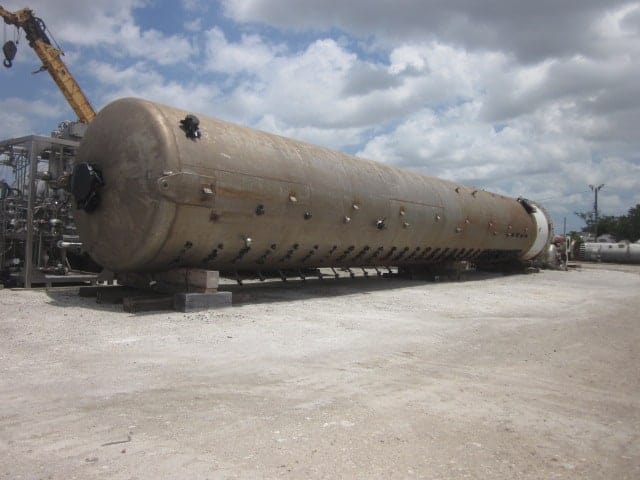
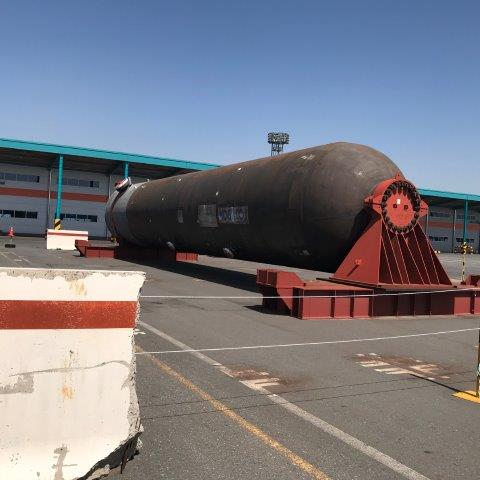
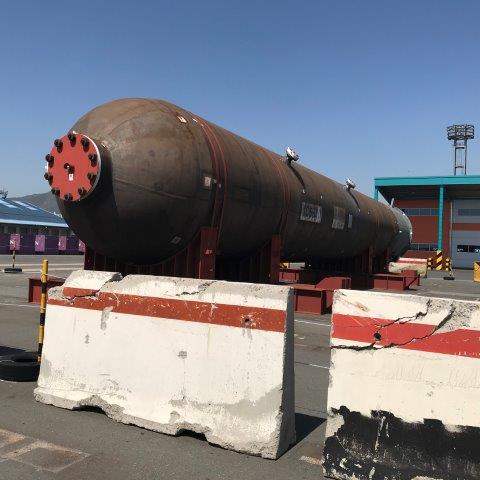
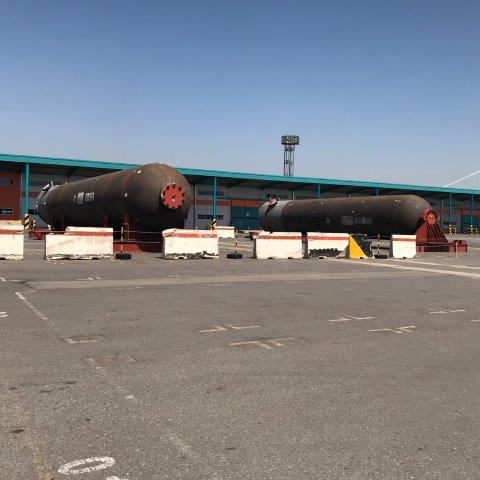
(1) Unused Hydrocracker Reactor, 12’ID X 80’T-T (103’ overall length), 2755psig @ 850F, SA-336M F22V (Modified 2 1/4Cr-1Mo-V steel) w/TP317L Stainless Steel Weld Overlay, Built 2010 by Kobelco Steel Japan, ASME Code and National Board Registered (909), s/n 090053. Stored under Nitrogen Purge. All available data books, drawings & technical data is included. Reactor Internals are also available for an additional charge. Purchase and use of the internals and/or the Chevron Lummus Global (CLG) Technology called ISOMIX require the buyer to enter into a licensing agreement with CLG. Introduction to CLG provided upon request. Warehouse crates include, but are not limited to, top & bottom connecting pipes, anchor bolts, anchor bolt templates, and reactor internal components. Shipping saddles are included.
(1) Unused Hydrocracker Reactor, 11’ 11”ID X 56’ 7”T-T (80’ overall length), 2755psig @ 850F, SA-336M F22V (Modified 2 1/4Cr-1Mo-V steel) w/TP317L Stainless Steel Weld Overlay, Built 2010 by Kobelco Steel Japan, ASME Code and National Board Registered (910), s/n 100001. Stored under Nitrogen Purge. All available data books, drawings & technical data is included. Reactor Internals are also available for an additional charge. Purchase and use of the internals and/or the Chevron Lummus Global (CLG) Technology called ISOMIX require the buyer to enter into a licensing agreement with CLG. Introduction to CLG provided upon request. Warehouse crates include, but are not limited to, top & bottom connecting pipes, anchor bolts, anchor bolt templates, and reactor internal components. Shipping saddles are included.
We buy and sell Complete Chemical Plants and Process Equipment Worldwide. Louisiana Chemical Equipment Company has locations around the globe, which gives us the ability to acquire entire Complete Plants for relocation. If your looking for Ammonia, Nitric Acid, Urea, Hydrogen, Methanol or any other Complete Plant our sales team is here to help you.
Louisiana Chemical Equipment Company buys and sells complete chemical plants and process equipment on a worldwide. If you need Ammonia, Nitric Acid, Urea, Hydrogen, Methanol or any other Process Complete Plant, our team is here to help.
This website uses cookies so that we can provide you with the best user experience possible. Cookie information is stored in your browser and performs functions such as recognising you when you return to our website and helping our team to understand which sections of the website you find most interesting and useful.
Strictly Necessary Cookies
Strictly Necessary Cookie should be enabled at all times so that we can save your preferences for cookie settings.
If you disable this cookie, we will not be able to save your preferences. This means that every time you visit this website you will need to enable or disable cookies again.